Categories
Health & Wellness Hearing Safety

Hearing Loss Prevention: Key Safety Tips for Travellers

Last Updated on 10/02/2026 by Admin

Vital Considerations for Understanding Hearing Loss Risks

What Factors Significantly Heighten the Risk of Hearing Damage?

Numerous environmental factors play a crucial role in escalating the risk of hearing loss during travel. Among the most significant culprits are elevated noise levels commonly found in urban areas, prolonged exposure to loud music, and the incessant sounds emitted by various transportation systems. These elements can culminate in severe auditory damage over time. Travellers must remain alert for early indicators of potential hearing issues, such as difficulties in comprehending conversations or experiencing a ringing sensation in the ears, medically referred to as tinnitus. By swiftly identifying these symptoms, individuals can implement proactive measures to safeguard their auditory health while travelling, ensuring they remain conscious of their surroundings and able to fully enjoy their adventures.

Which Demographics Are Particularly Susceptible to Hearing Loss While Travelling?

Certain demographics exhibit heightened vulnerability to hearing loss during travel due to a variety of risk factors. Individuals with pre-existing hearing conditions, frequent flyers, and those regularly exposed to high-decibel environments face increased threats to their auditory health. To bolster safety and awareness during travel, consider the following critical risk indicators:

Adopting protective measures, such as the use of earplugs or investing in high-quality noise-cancelling headphones, can significantly alleviate these risks and assist individuals in preserving their hearing health during thrilling travel experiences.

What Signs Indicate Potential Hearing Problems That Travelers Should Monitor?

Subtle symptoms of hearing loss can be easily missed while travelling, making it imperative for individuals to remain vigilant. Travellers should be attuned to signs such as the need to increase the volume on electronic devices, difficulty engaging in conversations amidst background noise, or discomfort in their ears. Regularly monitoring these indicators is essential, as they may signal the onset of hearing issues. By incorporating routine self-assessments into their travel schedules, individuals can ensure that any changes in their hearing capabilities are addressed promptly, allowing for timely interventions and preventive actions to be taken.

Crucial Strategies for Safeguarding Your Ears During Travel

What Are the Leading Noise-Cancelling Solutions Available?

Leveraging state-of-the-art <a href="https://www.earwaxremoval.net/healthy-ears-during-air-travel-essential-tips-to-follow/">noise-cancelling solutions</a> can significantly reduce exposure to harmful sound levels while travelling. High-quality noise-cancelling headphones are particularly advantageous in environments such as airplanes and crowded public transport, where background noise can be quite overwhelming. These devices not only enhance the listening experience but also act as a protective barrier against damaging sound levels, allowing travellers to appreciate their surroundings without risking their hearing health. Choosing options that offer both comfort and effective noise-blocking capabilities is vital for ensuring that travellers remain mindful of their auditory well-being while exploring new locales.

What Daily Practices Can Help Mitigate Hearing Risks?

Adopting daily habits focused on protecting your hearing can greatly enhance long-term auditory health. Simple adjustments to one’s routine can make a substantial difference in reducing risks associated with hearing loss. Here are several effective modifications to consider:

  • Wearing ear protection at concerts or other loud events
  • Avoiding prolonged use of headphones at high volumes
  • Incorporating quiet periods into busy travel days
  • Regularly checking for earwax build-up

Implementing these strategies promotes better hearing care and empowers travellers to prioritise their auditory health while fully immersing themselves in diverse experiences throughout their journeys.

Why Is Timing Key to Effective Hearing Protection?

Timing is crucial in effectively protecting your hearing during travel. By strategically planning activities to avoid peak noise periods, travellers can substantially reduce their risk of exposure to harmful sound levels. For example, exploring popular tourist destinations during off-peak hours not only enhances the overall experience by minimising crowd congestion but also lessens exposure to loud environments. By proactively crafting itineraries, travellers can maximise their chances of maintaining their hearing health while fully enjoying their adventures.

Professional Recommendations for Preventing Hearing Loss

What Advanced Techniques Do Audiologists Suggest for Hearing Preservation?

Leading audiologists and hearing health specialists advocate various advanced techniques designed to prevent hearing loss during travel. They frequently recommend using custom-fitted earplugs, which provide superior protection against loud noises while still allowing important sounds to be heard clearly. These devices have proven effective for frequent concert-goers and travellers alike, ensuring that the auditory experience remains enjoyable and safe. Moreover, scheduling regular hearing evaluations before and after travel can assist in monitoring any changes in auditory function, allowing for timely intervention when necessary.

What Fundamental Principles Should Be Followed to Maintain Ear Health?

Maintaining ear health is anchored in fundamental practices that should be consistently integrated into daily life. Expert analysis highlights the need for a balanced approach to noise exposure, the use of protective gear in loud settings, and the practice of good ear hygiene. By regularly engaging in these practices, individuals can enjoy a wide array of experiences without compromising their auditory well-being. Increasing awareness about sound exposure allows travellers to make informed decisions that contribute to long-term hearing preservation.

Which Common Misconceptions Surrounding Hearing Loss Should Be Addressed?

Understanding hearing loss can be clouded by misconceptions that hinder effective prevention. A common myth is that only excessively loud environments pose risks, whereas everyday sounds can lead to gradual auditory damage over time. Guidance from recognised authorities emphasises the need for travellers to acknowledge that even moderate noise exposure can accumulate and adversely affect hearing health. Real-life examples effectively underscore the importance of protective measures across various settings, reinforcing the need for accurate strategies for hearing preservation.

What Innovative Technologies Are Emerging for Hearing Protection?

Innovative technologies are at the forefront of preventing hearing loss during travel, offering effective solutions such as advanced noise-cancelling devices and sound-monitoring applications. These tools empower travellers to actively manage their sound exposure. For instance, applications that track ambient sound levels can alert users when they reach potentially harmful decibel thresholds, enabling timely protective actions. By integrating these technologies into their daily routines, users can enhance their effectiveness and adjust their behaviours to safeguard their hearing proactively.

What Are the Most Common Causes of Hearing Issues?

What Environmental Factors Should Be Recognised as Triggers?

Common environmental triggers contributing to hearing issues are widespread and often underestimated. Frequent exposure to urban noise, industrial machinery, and loud events can all lead to gradual hearing loss. Identifying these sources is vital for travellers seeking to protect their hearing. General avoidance strategies, such as using noise-cancelling headphones in bustling environments and selecting quieter entertainment options, can significantly reduce the risks associated with these environmental triggers.

How Do Personal Lifestyle Choices Affect Hearing Health?

Personal lifestyle choices significantly influence hearing health, as daily decisions impact auditory well-being more than one might realise. For instance, engaging in high-volume listening through headphones or neglecting to wear protective gear in loud environments can exacerbate risks. To promote healthier auditory habits, travellers should consider integrating balanced alternatives, such as enjoying music at lower volumes and ensuring regular breaks from sound exposure. By making conscious lifestyle choices, individuals can achieve meaningful improvements in their long-term hearing health.

What Often Overlooked Factors Contribute to Hearing Exposure Risks?

While numerous elements contribute to hearing loss, certain frequently overlooked factors can pose substantial risks. For instance, exposure to loud sounds during seemingly benign activities—such as using power tools or attending events—can lead to cumulative damage. Raising awareness of these less apparent contributors is crucial for effective prevention. Educational initiatives should aim to highlight these risks, promoting proactive measures to protect hearing across various contexts.

How Do Medical and Genetic Factors Impact Hearing Loss?

Medical and genetic factors play a significant role in an individual’s likelihood of experiencing hearing loss. Hereditary traits and family history can predispose individuals to various auditory problems, with certain genetic disorders increasing risk levels. Additionally, aging interacts with genetics, heightening the chances of hearing difficulties. To effectively manage these potential risks, regular check-ups and consultations with hearing specialists are essential. Genetic counselling can provide valuable insights into family histories, empowering individuals to implement preventive measures tailored to their specific vulnerabilities.

Research-Driven Benefits of Hearing Loss Prevention Techniques

What Evidence-Based Tools Are Available for Hearing Protection?

Research into evidence-based tools for hearing protection has yielded promising findings, showcasing devices such as custom earplugs and noise-cancelling headphones. These solutions demonstrate significant advantages across various settings, effectively shielding against harmful noise levels without compromising sound quality. Real-world cases illustrate how individuals utilising these devices often report enhancements in their overall auditory health and quality of life, underscoring the importance of preventive measures during travel.

What Long-Term Benefits Can Be Gained from Early Action?

Taking early measures to protect hearing can lead to substantial long-term advantages. Research indicates that individuals who engage in proactive hearing protection generally report fewer auditory issues as they age. Practical steps, such as regular hearing evaluations and the use of protective devices in loud environments, can easily be integrated into daily routines. By stressing the significance of early intervention, travellers can effectively safeguard their hearing health for years ahead.

Why Does Consistency in Hearing Protection Yield Superior Outcomes?

Maintaining consistency in hearing protection efforts is vital for achieving optimal results. Data supporting ongoing protective measures suggest that individuals who regularly utilise hearing protection devices experience measurable reductions in hearing loss rates. Practical applications for this consistency may include developing habits around using earplugs at concerts or setting reminders to monitor sound levels during daily activities. By embedding these practices into their everyday lives, individuals can significantly enhance their hearing outcomes over time.

What Are the Financial Advantages of Implementing Preventive Measures?

The economic benefits stemming from preventive measures for hearing protection are considerable, with studies indicating that effective strategies can reduce healthcare costs associated with hearing loss. Case studies demonstrate that organisations investing in employee hearing health often experience increased productivity and decreased absenteeism. Practical advice for implementing cost-effective strategies includes providing training on the correct use of hearing protection and investing in quality protective devices. By prioritising hearing health, both individuals and organisations can realise long-term financial advantages.

Why Is Hearing Loss Prevention Essential for Travellers?

How Does Hearing Health Influence Overall Well-Being?

Prioritising hearing protection while travelling is critical for enhancing overall well-being. Good auditory health is interconnected with numerous aspects of life, including communication, enjoyment of experiences, and mental health. Consider the following interconnected benefits:

  • Enhanced communication and social interactions
  • Increased enjoyment of cultural experiences
  • Reduced stress and anxiety related to hearing loss
  • Improved cognitive health through auditory engagement

By underscoring the importance of preventing hearing loss, travellers can cultivate a more enriching and enjoyable journey.

What Are the Concealed Consequences of Neglecting Hearing Protection?

Failing to prioritise hearing protection can lead to a multitude of hidden consequences that negatively impact quality of life. Long-term effects, such as social withdrawal, cognitive decline, and an increased risk of mental health issues, can arise from untreated hearing loss. Raising awareness about these potential outcomes encourages individuals to adopt proactive measures, including the use of protective devices and regular check-ups as part of their travel planning. This foresight can help mitigate long-term risks, ensuring a more fulfilling travel experience.

How Can Strategic Approaches Foster Resilience in Hearing Health?

Building resilience in hearing health is vital for navigating the challenges that travel can present. Adaptive practices, such as establishing routines that incorporate hearing protection, can strengthen travellers’ abilities to cope with demanding environments. Proactive planning, including identifying quiet locations during travel and scheduling necessary downtime, empowers individuals to maintain their auditory health. By fostering resilience, travellers can fully enjoy their journeys while minimising risks associated with hearing loss.

Practical Guidelines for Effective Hearing Care

What Simple Tools Can Everyone Use for Hearing Protection?

There exists a variety of simple tools that everyone can employ to effectively safeguard their hearing during travel. Accessible methods include the use of over-the-counter earplugs, high-quality noise-cancelling headphones, and sound-monitoring applications. These devices offer versatility, allowing travellers to tailor their protective strategies based on specific environments. The ease of adoption makes it feasible for anyone to incorporate these tools into their travel routines, ensuring that hearing preservation remains a priority throughout their adventures.

How Can Hearing Protection Be Seamlessly Integrated into Daily Life?

Integrating hearing protection into daily routines is crucial for maintaining auditory health. Simple strategies include cultivating habits around using ear protection in loud environments and setting reminders to monitor sound levels during everyday activities. These practical implementation ideas ensure that hearing care becomes an effortless aspect of travel, enabling individuals to focus on their experiences without compromising their ear health.

What Strategies Can Foster Ongoing Awareness of Hearing Health?

Maintaining continuous awareness of hearing health is essential for effective prevention. Ongoing monitoring can involve regularly evaluating hearing ability, tracking exposure to loud environments, and utilising applications designed to measure sound levels in various settings. Providing strategies for sustained vigilance, such as journaling experiences and noting any changes in hearing, can empower travellers to take proactive measures in addressing potential risks before they escalate.

Long-Term Strategies for Sustaining Effective Hearing Preservation

How to Create a Customised Plan for Hearing Care?

Developing a personalised plan for hearing preservation allows travellers to tailor strategies to their unique circumstances. This adaptable framework should take into account lifestyle, travel habits, and specific auditory risks. By emphasising customization, travellers can devise plans that empower them to focus on their individual situations, ensuring that their approaches to hearing protection are both effective and relevant to their needs.

How Can Progress Be Continuously Monitored Over Time?

Tracking progress over time is crucial for assessing the effectiveness of hearing preservation strategies. Individuals should explore methods for monitoring improvements, including regular hearing assessments or personal reflections on their auditory experiences. Encouraging consistent check-ins enables travellers to evaluate their hearing health continually, reinforcing the importance of proactive measures in their long-term strategies.

Why Is It Important to Adapt Approaches as Needed?

As circumstances evolve, adapting approaches to hearing preservation becomes increasingly essential. Emphasising flexibility ensures that individuals can adjust their strategies to align with current environments and lifestyles. Highlighting adaptive techniques, such as seeking quieter venues or reassessing hearing protection options, empowers travellers to maintain their commitment to hearing health regardless of changing conditions.

How Can Advanced Technologies Be Utilised for Enhanced Hearing Care?

Incorporating advanced technologies can significantly bolster long-term hearing preservation. Devices such as digital hearing aids and auditory applications provide dynamic support tailored to individual hearing needs. Guidance on selecting, using, and updating these technologies is critical for ensuring that travellers maximise their benefits. By remaining informed about innovations in hearing health, individuals can ensure sustained protection and improved quality of life over time.

What Role Does a Support Network Play in Hearing Preservation?

Establishing a support network comprising family, friends, and hearing health organisations is vital for successful hearing preservation. This network can offer emotional support and practical assistance, making it easier for individuals to stay motivated in their hearing health pursuits. Strategies for maintaining motivation, sharing experiences, and accessing valuable resources can effectively reinforce long-term strategies, ensuring that individuals feel empowered in their journey towards improved hearing.

Frequently Asked Questions

What Are the Primary Risk Factors for Hearing Loss During Travel?

Primary risk factors for hearing loss during travel include extended exposure to loud noises, pre-existing hearing conditions, and high-volume use of personal audio devices. Being cognizant of these factors can help travellers take proactive steps to effectively protect their hearing.

How Can I Determine If My Hearing Is Deteriorating While Travelling?

Signs of deteriorating hearing include difficulties in understanding conversations, the necessity to raise volume levels, and experiencing ringing in the ears. Monitoring these symptoms is imperative for early intervention and safeguarding hearing health.

What Are Some Top-Notch Noise-Cancelling Solutions?

High-quality noise-cancelling solutions encompass premium headphones, custom earplugs, and sound-monitoring applications. These tools effectively minimise harmful noise exposure and enhance overall listening experiences while travelling.

How Can Lifestyle Choices Affect Hearing Health?

Lifestyle choices, such as exposure to loud environments and high-volume headphone use, can significantly influence hearing health. Opting for balanced alternatives can promote better auditory well-being and decrease risks associated with hearing loss.

What Should I Do If I Observe Changes in My Hearing?

If you notice alterations in your hearing, such as increased difficulty in comprehending speech or persistent ringing in the ears, it is advisable to consult a hearing specialist for an evaluation and guidance regarding protective measures.

How Can Preventive Steps Lower Healthcare Expenses?

Preventive measures can substantially reduce healthcare costs by alleviating the long-term consequences of hearing loss, leading to fewer medical interventions and improved workplace productivity. Investing in hearing health yields economic benefits in the long run, benefiting both individuals and organisations.

What Influence Does Genetics Have on Hearing Loss?

Genetics can considerably affect susceptibility to hearing loss. Family history and hereditary traits can predispose individuals to auditory challenges, making regular screenings and consultations vital for preventive care and early intervention.

Why Is It Important to Monitor Sound Levels While Travelling?

Monitoring sound levels during travel is essential for identifying potentially harmful noise exposure. Using sound-monitoring applications can provide real-time feedback, enabling travellers to take appropriate measures to effectively protect their hearing.

What Are Some Misconceptions Surrounding Hearing Loss?

Common misconceptions about hearing loss include the belief that only loud environments pose risks. In truth, cumulative exposure to moderate noise levels can also lead to gradual hearing damage over time, making awareness and preventive measures crucial.

How Can I Establish a Support Network for Hearing Preservation?

Building a support network can involve connecting with family, friends, and local organisations focused on hearing health. Sharing experiences and resources within this network can motivate individuals to stay committed to their hearing preservation efforts.

Discover our world on X!

The post Hearing Loss Prevention While Traveling: Essential Safety Tips appeared first on The Microsuction Ear Wax Removal Network.

The post Hearing Loss Prevention While Traveling: Essential Safety Tips appeared first on Healthcare Marketing Service.

Categories
Health & Wellness Hearing Safety

Hearing Loss Prevention: Key Safety Tips for Travellers

Last Updated on 10/02/2026 by Admin

In-Depth Understanding of Hearing Loss Risks for Travellers

What Factors Heighten the Risk of Hearing Damage While Travelling?

A multitude of environmental factors plays a critical role in increasing the risk of hearing loss during travel. Among the most significant culprits are high noise levels prevalent in urban areas, prolonged exposure to loud music, and the overwhelming sounds of various transportation systems. These auditory assaults can lead to severe damage to one’s hearing. Travellers must stay alert for early warning signs that indicate potential hearing issues, such as difficulties in understanding conversations or the persistent ringing in the ears, medically termed tinnitus. By promptly identifying these symptoms, individuals can take immediate and proactive measures to safeguard their auditory health while on their journeys, ensuring they remain aware of their surroundings and fully able to relish their travel experiences.

Which Demographics Are Particularly Prone to Hearing Loss During Travel?

Certain demographics display heightened vulnerability to hearing loss during travel, influenced by a variety of risk factors. Those with existing hearing conditions, frequent travellers, and individuals who are regularly exposed to high-decibel environments face increased threats to their auditory well-being. To improve safety and awareness while travelling, consider these critical risk indicators:

  • History of ear infections
  • Extended exposure to loud noises
  • High-volume usage of personal audio devices
  • Participation in loud events such as concerts or motorsports

Implementing protective strategies, like wearing earplugs or investing in high-quality noise-cancelling headphones, can significantly reduce these risks and help preserve hearing health during thrilling travel adventures.

What Symptoms Should Travellers Monitor During Their Journeys?

Subtle indications of hearing loss can often be overlooked while travelling, making it essential for individuals to remain vigilant. Travellers should watch for signs such as the need to increase the volume on electronic devices, difficulties engaging in conversations amidst background noise, or discomfort in their ears. Being attentive to these indicators is crucial, as they may signify the onset of auditory problems. By integrating regular self-checks into their travel routines, individuals can ensure that any changes in their hearing abilities are promptly addressed, allowing for timely interventions and preventative measures to be implemented.

Proven Techniques for Safeguarding Your Ears While Travelling

What Are the Most Effective Noise-Cancelling Solutions Available?

Utilising state-of-the-art noise-cancelling solutions can significantly reduce exposure to harmful noise levels during travel. Premium noise-cancelling headphones prove particularly advantageous in environments like airplanes and crowded public transport, where background noise can be overwhelming. These devices not only enhance the overall auditory experience but also act as a protective barrier against detrimental sound levels, enabling travellers to appreciate their surroundings without jeopardising their hearing health. Selecting options that fit comfortably and effectively block out unwanted noise is imperative for ensuring that travellers remain sound-conscious while exploring new destinations.

What Daily Habits Can Minimise Hearing Risks While Travelling?

Incorporating daily habits focused on hearing protection can yield significant benefits for long-term auditory health. Simple adjustments to one’s daily routine can profoundly impact the minimisation of risks associated with hearing loss. Here are some effective changes to consider:

  • Utilising ear protection at concerts or loud events
  • Avoiding extended usage of headphones at high volumes
  • Scheduling quiet periods during hectic travel days
  • Regularly checking for earwax build-up

These strategies not only encourage better hearing care but also empower travellers to prioritise their auditory health while fully enjoying diverse experiences throughout their journeys.

Why Is Timing Crucial in Protecting Your Hearing During Travel?

Timing is of the essence when it comes to effectively safeguarding hearing during travel. By strategically planning activities to avoid peak noise periods, travellers can significantly diminish their risk of exposure to harmful sound levels. For example, visiting popular tourist attractions during off-peak hours not only enhances the overall experience by alleviating crowd congestion but also minimises exposure to excessively loud environments. Proactively organising itineraries allows travellers to maximise their chances of preserving their hearing while fully engaging in their adventures.

Insights from Experts on Preventing Hearing Loss

What Advanced Techniques Do Hearing Specialists Recommend?

Leading audiologists and hearing health professionals endorse a variety of advanced techniques aimed at preventing hearing loss during travel. They frequently recommend the use of custom-fitted earplugs that provide superior protection against loud noises while still allowing essential sounds to be heard clearly. These devices have proven invaluable for frequent concert-goers and travellers alike, ensuring that the auditory experience remains both enjoyable and safe. Moreover, scheduling regular hearing assessments before and after travel can help monitor any changes in auditory abilities, enabling timely interventions when necessary.

What Fundamental Principles Are Vital for Sustaining Ear Health?

Maintaining ear health relies on foundational practices that should be regularly adopted in daily life. Expert analysis underscores the importance of a balanced approach to noise exposure, utilising protective gear in loud environments, and adhering to good ear hygiene practices. By consistently engaging in these measures, individuals can enjoy a wide range of experiences without jeopardising their auditory well-being. Raising awareness about sound exposure empowers travellers to make informed decisions that contribute to long-term hearing preservation.

Which Common Misunderstandings Should Be Disregarded Regarding Hearing Loss?

Comprehending hearing loss is often complicated by misconceptions that can hinder effective prevention efforts. A commonly held myth is that only excessively loud environments pose risks, while everyday sounds can also contribute to gradual auditory damage over time. Guidance from recognised authorities highlights the necessity for travellers to understand that even moderate noise exposure can accumulate and adversely affect hearing health. Real-world examples effectively illustrate the importance of protective measures in various settings, reinforcing the need for accurate strategies to ensure hearing preservation.

What Cutting-Edge Technologies Are Available for Hearing Protection?

Innovative technologies are at the forefront of preventing hearing loss during travel, offering effective solutions such as advanced noise-cancelling devices and sound-monitoring applications. These tools empower travellers to actively manage their sound exposure. For instance, applications that monitor ambient sound levels can alert users when they approach potentially harmful decibel thresholds, facilitating timely interventions. By integrating these technologies into their daily routines, users can enhance their effectiveness and adjust their behaviours to effectively protect their hearing.

What Are the Most Frequent Causes of Hearing Issues During Travel?

What Environmental Triggers Should Travellers Be Aware Of?

Common environmental triggers that can lead to hearing issues are prevalent and often underestimated. Frequent exposure to urban noise, industrial machinery, and loud public events can all contribute to gradual hearing loss. Identifying these sources is crucial for travellers aiming to protect their hearing. General avoidance strategies, such as using noise-cancelling headphones in bustling environments and opting for quieter entertainment alternatives, can significantly reduce the risks associated with these environmental triggers.

How Do Lifestyle Choices Impact Hearing Health?

Lifestyle choices significantly influence the exacerbation of hearing issues, as daily decisions can impact auditory health more than one might realise. For instance, engaging in high-volume listening through headphones or neglecting to wear protective gear in loud environments can compound risks. To promote healthier auditory habits, travellers should consider incorporating balanced alternatives, such as enjoying music at lower volumes and allowing for regular breaks from sound exposure. By making conscious choices, individuals can achieve considerable improvements in their long-term hearing health.

What Often Overlooked Factors Contribute to Hearing Exposure Risks?

While numerous elements contribute to hearing loss, certain overlooked factors can pose substantial risks. For example, exposure to loud sounds during seemingly innocuous activities—such as using power tools or attending events—can lead to cumulative damage. Increasing awareness of these less obvious contributors is vital for effective prevention. Educational initiatives should focus on raising awareness about these risks, advocating for proactive measures to protect hearing across various contexts.

How Do Medical and Genetic Factors Affect Hearing Loss Risk?

Medical and genetic factors significantly influence an individual’s likelihood of experiencing hearing loss. Hereditary traits and family history can predispose individuals to various auditory issues, with certain genetic disorders elevating the risk. Ageing also interacts with genetics, increasing the likelihood of hearing problems. To effectively manage these potential risks, regular check-ups and consultations with hearing specialists are advisable. Genetic counselling can provide valuable insights into family histories, empowering individuals to take preventive measures tailored to their specific vulnerabilities.

Research-Supported Benefits of Hearing Loss Prevention Techniques

What Evidence-Based Tools Are Available for Hearing Protection?

Research into evidence-based tools for hearing protection has yielded promising findings, highlighting devices such as custom earplugs and noise-cancelling headphones. These solutions provide universal advantages across various contexts, effectively shielding against harmful noise levels without compromising sound quality. Real-world cases demonstrate how individuals using these devices often report enhancements in their overall auditory health and quality of life, emphasising the value of preventive measures during travel.

What Are the Long-Term Benefits of Taking Proactive Hearing Protection Measures?

Taking early action to protect hearing can yield significant long-term advantages. Research indicates that individuals who engage in proactive hearing protection tend to report fewer instances of auditory problems as they age. Practical measures such as regular hearing assessments and the use of protective devices in loud environments can be seamlessly integrated into daily routines. By highlighting the importance of early intervention, travellers can effectively safeguard their hearing health for years to come.

Why Does Consistency Yield Superior Results in Hearing Protection Efforts?

Maintaining consistency in hearing protection initiatives is essential for achieving optimal outcomes. Data supporting ongoing protective measures indicate that individuals who regularly utilise hearing protection devices experience measurable decreases in hearing loss rates. Practical applications for this consistency may include developing habits around using earplugs at concerts or setting reminders to monitor sound levels during daily activities. By embedding these practices into their everyday lives, individuals can significantly enhance their hearing outcomes over time.

What Are the Financial Benefits of Preventive Measures for Hearing Health?

The economic advantages of preventive measures for hearing protection are considerable, with research suggesting that effective strategies can alleviate healthcare costs associated with hearing loss. Case studies indicate that organisations investing in employee hearing health frequently experience enhanced productivity and reduced absenteeism. Practical advice for implementing cost-effective strategies includes providing training on the proper use of hearing protection and investing in quality protective devices. By prioritising hearing health, both individuals and organisations can reap long-term financial benefits.

Why Is Prevention Crucial for Those Who Travel?

How Does Hearing Health Influence Overall Well-Being?

Prioritising hearing protection while travelling is vital for enhancing overall well-being. Good auditory health is interconnected with various aspects of life, including communication, enjoyment of experiences, and mental well-being. Consider these interconnected benefits:

  • Enhanced communication and social interactions
  • Greater enjoyment of cultural experiences
  • Reduced stress and anxiety associated with hearing loss
  • Improved cognitive health through auditory engagement

By emphasising the significance of preventing hearing loss, travellers can cultivate a more enriching and enjoyable journey.

What Are the Concealed Consequences of Neglecting Hearing Protection?

Failing to prioritise hearing protection can result in a variety of concealed consequences that negatively impact quality of life. Long-term effects such as social withdrawal, cognitive decline, and an increased risk of mental health issues can arise from untreated hearing loss. Raising awareness about these potential outcomes encourages individuals to adopt proactive measures, such as using protective devices and scheduling regular check-ups as part of their travel planning. This foresight can help mitigate long-term risks, ensuring a more fulfilling travel experience.

How Can Strategies Enhance Resilience in Hearing Health?

Building resilience in hearing health is crucial for managing the challenges that travel can present. Adaptive practices, such as establishing routines that incorporate hearing protection, can improve travellers’ ability to cope with demanding environments. Proactive planning, including identifying quiet areas during travel and scheduling downtime, empowers individuals to maintain their auditory health. By nurturing resilience, travellers can fully enjoy their journeys while minimising risks associated with hearing loss.

Practical Recommendations for Effective Hearing Care During Travel

What Simple Tools Can Everyone Use to Protect Their Hearing?

A variety of simple tools are readily available for everyone to utilise in order to effectively safeguard their hearing during travel. Accessible methods include the use of over-the-counter earplugs, high-quality noise-cancelling headphones, and sound-monitoring applications. These devices offer versatility, allowing travellers to tailor their protective strategies according to specific environments. The ease of implementation makes it feasible for anyone to incorporate these tools into their travel routines, ensuring that hearing preservation remains a priority throughout their adventures.

How Can Hearing Protection Be Incorporated into Daily Life?

Integrating hearing protection into daily routines is vital for maintaining auditory health. Simple strategies include developing habits around utilising ear protection in loud settings and setting reminders to monitor sound levels during everyday activities. These practical implementation ideas guarantee that hearing care becomes an effortless part of travel, allowing individuals to focus on their experiences without compromising their ear health.

What Strategies Can Help Maintain Ongoing Awareness of Hearing Health?

Sustaining continuous awareness of hearing health is crucial for effective prevention. Ongoing monitoring can involve regularly assessing hearing capability, tracking exposure to loud environments, and utilising applications designed to measure sound levels in various settings. Offering strategies for sustained vigilance, such as journaling experiences and noting any changes in hearing, can empower travellers to take proactive measures in addressing potential risks before they escalate.

Long-Term Approaches to Effective Hearing Preservation

How to Create a Tailored Hearing Care Plan?

Establishing a personalised plan for hearing preservation enables travellers to customise strategies to fit their individual circumstances. This adaptable framework should take into account lifestyle, travel habits, and specific auditory risks. By emphasising customization, travellers can develop plans that empower them to focus on their unique situations, ensuring that their approaches to hearing protection are both effective and relevant to their needs.

How Can Progress Be Evaluated Over Time?

Monitoring progress over time is essential for assessing the effectiveness of hearing preservation strategies. Individuals should explore methods for tracking improvements, such as regular hearing assessments or personal reflections on their auditory experiences. Encouraging consistent check-ins allows travellers to continuously evaluate their hearing health, reinforcing the importance of proactive measures in their long-term approaches.

Why Is It Important to Adapt Approaches as Necessary?

As circumstances evolve, adapting approaches to hearing preservation becomes increasingly crucial. Emphasising flexibility ensures that individuals can adjust their strategies to fit current environments and lifestyles. Highlighting adaptive techniques, such as seeking quieter venues or reassessing hearing protection options, empowers travellers to maintain their commitment to hearing health regardless of changing conditions.

How Can Advanced Technologies Be Utilised for Enhanced Hearing Care?

Incorporating advanced technologies can significantly bolster long-term hearing preservation efforts. Devices such as digital hearing aids and auditory applications provide dynamic support tailored to individual hearing preferences. Guidance on selecting, utilising, and updating these technologies is essential for ensuring that travellers maximise their benefits. By staying informed about innovations in hearing health, individuals can secure sustained protection and an improved quality of life over time.

What Role Does a Support Network Play in Hearing Preservation Initiatives?

Creating a support network comprising family, friends, and hearing health organisations is vital for successful hearing preservation. This network can provide both emotional support and practical assistance, making it easier for individuals to remain motivated in their hearing health endeavours. Strategies for maintaining motivation, sharing experiences, and accessing valuable resources can effectively reinforce long-term strategies, ensuring that individuals feel empowered in their journey towards improved hearing.

Frequently Asked Questions About Hearing Health

What Are the Primary Risk Factors for Hearing Loss During Travel?

Primary risk factors for hearing loss during travel include prolonged exposure to loud noises, existing hearing conditions, and the high-volume use of personal audio devices. Being cognizant of these factors can help travellers implement proactive measures to effectively safeguard their hearing.

How Can I Determine If My Hearing Is Deteriorating While Travelling?

Indicators of deteriorating hearing include difficulty comprehending conversations, the need to increase volume levels, and experiencing ringing in the ears. Monitoring these symptoms is critical for early intervention and protecting hearing health.

What Are Some Effective Options for Noise-Cancellation?

Effective noise-cancelling options encompass high-quality headphones, custom earplugs, and sound-monitoring applications. These tools assist in minimising harmful noise exposure while enhancing overall listening experiences during travel.

How Can Lifestyle Choices Affect Hearing Health?

Lifestyle choices, including exposure to loud environments and high-volume headphone use, can significantly impact hearing health. Opting for balanced alternatives can promote better auditory well-being and minimise risks associated with hearing loss.

What Steps Should I Take If I Notice Changes in My Hearing?

If you observe changes in your hearing, such as increased difficulty understanding speech or persistent ringing in the ears, it is advisable to consult a hearing specialist for an assessment and guidance on protective measures.

How Can Preventive Measures Help Reduce Healthcare Costs?

Preventive measures can substantially lower healthcare costs by mitigating the long-term effects of hearing loss, resulting in fewer medical interventions and enhanced workplace productivity. Investing in hearing health proves economically beneficial in the long run, benefiting both individuals and organisations.

What Influence Does Genetics Have on Hearing Loss?

Genetics can significantly affect susceptibility to hearing loss. Family history and hereditary traits may predispose individuals to auditory issues, making regular screenings and consultations essential for preventive care and early intervention.

Why Is It Important to Monitor Sound Levels While Travelling?

Monitoring sound levels during travel is essential for identifying potentially harmful noise exposure. Utilising sound-monitoring applications can provide real-time feedback, enabling travellers to take appropriate actions to protect their hearing effectively.

What Are Some Common Misunderstandings About Hearing Loss?

Common misunderstandings about hearing loss include the notion that only loud environments present risks. In truth, cumulative exposure to moderate noise levels can also lead to gradual hearing damage over time, making awareness and preventive measures critical.

How Can I Establish a Support Network for Hearing Preservation?

Building a support network can involve connecting with family, friends, and local organisations focused on hearing health. Sharing experiences and resources within this network can motivate individuals to remain dedicated to their hearing preservation efforts.

Discover our world on X!

The post Hearing Loss Prevention While Travelling: Essential Safety Tips appeared first on The Microsuction Ear Wax Removal Network.

Categories
Health & Wellness Hearing Safety

Hearing Protection: Crucial Advice for Artists

Last Updated on 02/02/2026 by Admin

The Critical Importance of Hearing Protection for Creative Artists

Understanding the Risks of Elevated Noise Levels in Artistic Environments

Artists often find themselves immersed in vibrant settings where noise levels can reach dangerously high peaks. Whether in a pulsing recording studio, an energetic live performance venue, or during the creative process at home, exposure to elevated sound levels presents a substantial threat. Sound intensity, commonly measured in decibels (dB), is considered hazardous when it exceeds 85 dB during prolonged exposure. For instance, sound levels at a rock concert can reach around 110 dB, while a recording studio may average about 90 dB during intense sessions. Although such environments are breeding grounds for creativity, they simultaneously endanger an artist’s long-term hearing health.
Common scenarios illustrating this risk include rehearsals with amplified instruments or sound mixers blasting through large speakers. Many artists underestimate the cumulative impact of these high sound levels, leading to irreversible damage over time. Research shows that musicians face a fivefold increase in the likelihood of experiencing significant hearing loss compared to the general populace. This underscores the urgent need for awareness and protective measures in creative spaces that inadvertently jeopardise auditory health.

How Can Artists Recognise Early Signs of Hearing Problems?

Detecting early signs of hearing issues is crucial for artists who depend heavily on their auditory skills. The initial symptoms tend to be subtle and may not immediately raise concern. One of the first indicators of hearing trouble is often tinnitus, which is characterised by a continuous ringing or buzzing sound in the ears. Additionally, artists might notice that sounds appear muffled or distorted, significantly hindering their ability to create and perform effectively.
Regular self-assessments and hearing evaluations can profoundly impact long-term auditory health. Many artists dismiss these symptoms as mere fatigue or stress, but timely recognition and intervention are vital in preventing further deterioration. Engaging in routine hearing tests, even in the absence of discomfort, helps establish a baseline understanding of one’s hearing health. This proactive approach, combined with awareness of early symptoms, empowers artists to prioritise their hearing protection.

Effective Approaches to Implement Hearing Protection

Simple preventative measures can significantly enhance an artist’s hearing safety without disrupting their creative flow. Employing ear protection, such as custom earplugs or noise-cancelling headphones during performances or recording sessions, can drastically reduce harmful sound levels. These protective devices not only safeguard hearing but also help maintain sound quality, allowing artists to concentrate on their craft without compromising auditory safety.
Adopting everyday practices can foster a culture of awareness among artists regarding their hearing health. For example, establishing “quiet hours” during collaborative sessions can help minimise exposure to loud noises. Artists can also benefit from taking regular breaks, allowing their auditory systems to recuperate during intense sound exposure. Encouraging dialogue about hearing health with peers can create a supportive environment where collective responsibility for protection becomes a standard. These measures not only enhance individual well-being but also contribute to a healthier artistic community.

What Are the Primary Causes of Hearing Loss in Artists?

Identifying Sources of Excessive Noise in Daily Artistic Practices

Artists frequently encounter numerous sources of excessive noise that can lead to auditory dysfunction. Instruments, amplifiers, and even everyday tools such as power saws or drills in workshops contribute to cumulative noise exposure. The effects of repeated loud sounds are often underestimated; even sounds produced during mixing or mastering music can reach damaging levels over time.
Understanding the triggers within their daily routines is essential for artists to effectively safeguard their hearing. For example, musicians rehearsing with a full band may experience sound levels that exceed safe limits for extended periods. This cumulative exposure can result in permanent hearing damage. Artists must actively monitor their sound exposure and adopt practices that reduce the risk of hearing loss. Simple adjustments, like lowering volume levels, opting for quieter equipment, or implementing sound barriers, can greatly enhance their hearing protection.

How Does Volume Impact Hearing Health in Performance Venues?

The overall volume in performance spaces is a vital factor influencing an artist’s auditory health. Prolonged exposure to amplified sounds, particularly during concerts or high-energy performances, poses significant threats to hearing. Sound levels in these venues often exceed 100 dB, necessitating proactive strategies to effectively monitor and manage exposure.
Artists can implement several actionable steps to ensure their hearing remains intact. For instance, using sound level meters to monitor decibel levels during rehearsals and performances provides real-time feedback on exposure. Regularly incorporating volume audits into sound checks helps maintain safer sound environments. Furthermore, artists should advocate for in-ear monitors that allow for lower volume levels while still delivering high-quality sound. These strategies not only improve listening conditions but also prolong an artist’s career by protecting their hearing health.

The Long-Term Repercussions of Hearing Loss on Creative Professionals

Long-standing hearing issues can significantly alter the course of an artist’s career. If neglected, auditory problems can lead to reduced productivity, diminished enjoyment in creating art, and ultimately, limitations within their career. Musicians may find themselves increasingly challenged to perform or even compose music, adversely impacting their professional viability.
To combat these long-term consequences, preventative strategies are essential. Artists should prioritise regular hearing evaluations and incorporate hearing protection into their daily routines to guard against gradual deterioration. Engaging in workshops or training sessions focusing on hearing health can deepen their understanding of the risks associated with their profession. By prioritising preventative measures, artists can continue to express their creativity without the looming threat of hearing loss.

How Do Genetic and Hereditary Factors Affect Hearing Loss?

Genetic predispositions play a significant role in an individual’s likelihood of experiencing hearing loss. Certain hereditary conditions can increase the risk of auditory problems, highlighting the importance for artists to evaluate their family history when considering their hearing health. Understanding these factors empowers individuals to take early preventative action.
Genetic testing can provide insights into susceptibility, facilitating informed decisions and timely interventions. Artists with a family history of hearing loss should proactively seek regular screenings and consider lifestyle adjustments to mitigate their risk. Simple changes, such as reducing exposure to loud environments, using protective gear, and maintaining a healthy lifestyle, can significantly aid in preserving hearing function. By remaining informed about their genetic risk factors, artists can take charge of their auditory health and make choices that safeguard their long-term well-being.

Insights from Experts on the Necessity of Hearing Protection for Artists

Crucial Recommendations from Audiology Professionals

Experts in audiology emphasise the importance of taking proactive measures to protect hearing health among artists. Their recommendations include the consistent use of ear protection in high-noise environments and scheduling regular hearing assessments to catch potential issues early. Specialists encourage artists to familiarise themselves with the decibel levels of their working environments and to take necessary actions whenever sounds surpass recommended thresholds.
Understanding the science behind sound and hearing loss empowers artists to make informed choices. For example, many audiologists recommend that artists take frequent breaks during high-exposure activities, allowing their auditory systems time to recover. Furthermore, specialists advocate for using lower volume settings whenever possible and encourage the use of technology that minimises sound exposure without hindering artistic expression. These expert recommendations aim not only to preserve hearing but also to enhance overall performance quality.

Leveraging Advanced Tools for Monitoring Hearing Health

Monitoring hearing health has become increasingly accessible with the advent of advanced technology. Artists can utilise various devices and applications specifically designed to effectively track sound exposure. Some essential tools include:

  • Decibel meter applications for smartphones that provide real-time sound level readings.
  • Personal sound exposure monitors that track daily exposure and alert users to high sound levels.
  • Custom earplugs designed for musicians that reduce volume while maintaining sound quality.
  • Hearing assessment applications that facilitate periodic self-checks and monitor auditory health over time.

These tools enable artists to adopt a proactive stance regarding their hearing health. By consistently monitoring their sound exposure and utilising protective devices, artists can cultivate a sustainable and healthy work environment. This proactive approach not only preserves hearing but ultimately enhances the quality of artistic output, allowing for a longer and more fulfilling creative career.

Integrating Hearing Protection into Artistic Workflows

Incorporating hearing protection into artistic workflows necessitates thoughtful planning and collaboration. Experts suggest that artists develop personalised strategies that seamlessly integrate protective measures into their creative processes. For instance, musicians might schedule regular breaks during rehearsals to minimise prolonged exposure to loud sounds, ensuring they remain refreshed while protecting their hearing.
Custom approaches can also enhance collaboration within artistic teams. By establishing shared protocols for sound management, artists can collectively create safer environments. Fostering a culture of awareness around hearing health can yield long-lasting benefits as individuals support one another in prioritising auditory safety. These proactive measures ensure that creativity does not come at the expense of hearing health, promoting both artistic expression and overall well-being.

Research-Backed Advantages of Hearing Protection for Artists

Evidence from Studies Supporting Hearing Preservation Practices

Scientific research provides compelling evidence for the necessity of hearing preservation practices among artists. Numerous studies demonstrate that artists who prioritise hearing protection experience more favourable long-term auditory outcomes compared to their peers who neglect this crucial aspect of their health. Research highlights the link between early intervention and lower rates of hearing loss, reinforcing the importance of proactive measures.
Understanding these findings can motivate artists to adopt protective practices early in their careers. By participating in regular screenings and utilising hearing protection, artists can significantly reduce their risk of permanent damage. This evidence-based approach empowers musicians and creators to take charge of their auditory health, ensuring their artistic journey remains vibrant and fulfilling.

Enhancements in Overall Well-Being Linked to Hearing Health

Maintaining hearing health is intrinsically connected to overall well-being and productivity. Research indicates that artists who actively manage their hearing health enjoy enhanced focus and creativity. The ability to perceive nuances in music or sound directly influences the quality of artistic output, resulting in greater satisfaction in their work.
Moreover, artists with preserved hearing are less susceptible to fatigue and stress related to auditory strain. The broader benefits of sustaining auditory health extend beyond mere preservation; they encompass improved mental wellness and an enriched quality of life. Artists should view their hearing health as a foundational element of their creative pursuits, promoting a holistic approach to well-being.

Trustworthy Methods for Recovery and Maintenance of Hearing Health

Recovery and maintenance of hearing health are vital for artists encountering auditory issues. Experts recommend a variety of restorative options, including the use of hearing aids, auditory therapy, and sound desensitisation techniques. Engaging with these methods can greatly enhance hearing function for individuals affected by prolonged exposure to loud sounds.
Practical tips for sustaining auditory health include regular follow-ups with audiologists and investing in quality hearing protection. Artists should also consider lifestyle modifications, such as creating a quieter home environment and actively reducing exposure to loud noises. By integrating these expert-recommended techniques into their routines, artists can effectively maintain their hearing health and minimise the risk of deterioration.

Examining the Impact of Hearing Protection on Professional Performance

Research demonstrates a direct correlation between hearing protection and enhanced professional performance. Safeguarding hearing not only preserves auditory function but also improves artists’ concentration during performances and recordings. The ability to hear clearly translates to superior artistic output and reduced fatigue, ultimately contributing to a more successful career.
Evidence from studies within the music industry supports the notion that effective hearing protection results in improved overall performance quality. Artists who prioritise their hearing health exhibit greater resilience in challenging performance conditions, enabling them to maintain peak creativity and productivity. By recognising this relationship, artists can perceive hearing protection not merely as a necessity, but as a vital component of their professional success.

How Does Prolonged Exposure to Noise Affect Hearing?

Understanding the Gradual Impact on Sensory Functions

Cumulative damage from prolonged exposure to loud sounds is a significant concern for artists. Hearing loss typically occurs gradually, commencing with subtle changes that can be overlooked until considerable damage has occurred. Musicians, for instance, may experience slight inconveniences in hearing that they attribute to the usual demands of their craft. However, this gradual decline can lead to severe consequences if not addressed.
Timely intervention is essential to prevent complications from cumulative damage. The progressive nature of hearing loss implies that once the damage is established, recovery can be challenging or even impossible. Artists must prioritise regular check-ups and become familiar with the signs of hearing deterioration to take proactive measures. Early intervention can significantly contribute to maintaining auditory functions, allowing artists to continue their creative work without disruption.

What Strategies Can Artists Adopt to Limit Daily Exposure Risks?

Artists can implement effective strategies to minimise daily exposure risks associated with loud environments. Taking regular breaks during rehearsals or performances allows the auditory system to recuperate from high sound levels. Simple practices like stepping outside for fresh air or engaging in quiet reflection can greatly assist in this recovery process.
Incorporating protective gear into daily routines is another effective way to lower exposure risks. Artists should consider using high-fidelity earplugs specifically designed for musicians that preserve sound quality while reducing volume. By implementing these adjustments, artists can cultivate a safer and healthier creative environment that nurtures both their artistic pursuits and their auditory health.

When Should Artists Seek Professional Help for Hearing Issues?

Recognising signals that necessitate professional consultation is vital for sustaining long-term hearing health. Symptoms such as persistent ringing in the ears, difficulty comprehending speech in noisy settings, or a noticeable reduction in hearing acuity should warrant immediate action. Artists must remain vigilant in their self-assessments and not overlook these warning signs.
Promptly addressing issues can prevent permanent hearing damage. Seeking assistance from an audiologist or hearing specialist at the first indication of concern can lead to timely interventions and support. Early consultations typically yield better outcomes, allowing artists to pursue their passions without the burden of untreated hearing loss.

A Comprehensive Understanding of Safe Noise Thresholds

Awareness of safe noise thresholds is crucial for protecting auditory health. Research indicates that exposure to sounds above 85 dB can result in hearing damage over time, yet many artists operate in environments that consistently surpass this level. Understanding these thresholds empowers artists to make informed decisions regarding their sound exposure.
Establishing guidelines for safe exposure can assist in maintaining hearing health in everyday settings. For instance, artists should utilise sound level meters to monitor their environment and implement strategies to lower volume when necessary. These proactive practices not only support auditory health but also foster a sustainable approach to creativity, ensuring artists can thrive in their respective fields.

Long-Term Rehabilitation Options for Hearing Loss

A variety of rehabilitation methods exist for individuals affected by prolonged exposure to loud sounds. Hearing aids, auditory training, and therapy can significantly enhance functionality for those experiencing hearing challenges. Many artists find these options essential in restoring their auditory capabilities, allowing them to engage more fully in their craft.
Emphasising the importance of timely intervention and ongoing support is vital to preventing further deterioration. Artists should seek professional guidance in selecting rehabilitation options that best suit their needs. By being proactive and exploring different methods, individuals can improve their auditory health and avert long-term complications.

Proactive Strategies for Maintaining Hearing Health

Daily Habits That Support Auditory Care for Artists

Establishing daily habits centred around noise awareness can greatly benefit hearing health. Artists should incorporate simple practices into their routines, such as consciously lowering sound levels, taking regular breaks from noisy environments, and using protective gear whenever necessary. Continuous awareness and proactive measures can prevent potential damage and contribute to a long, healthy career.
Encouraging mindfulness in everyday activities fosters an environment where hearing protection becomes an instinctive practice. Artists can promote a culture of protection within their creative communities by sharing best practices and motivating each other to prioritise auditory care. Simple reminders and collaborative efforts can lead to lasting behavioural changes, ultimately benefiting the entire artistic ecosystem.

Collaborative Efforts Among Peers for Safer Environments

Collaboration among artists serves as a powerful tool for cultivating safer creative environments. When artists unite to share their experiences and strategies, they can collectively enhance awareness surrounding hearing protection. Establishing community norms that prioritise auditory health empowers artists to create a supportive network that benefits everyone.
Shared responsibility among artists fosters proactive measures and a culture of care. For example, organising workshops focused on hearing health and inviting experts to speak can empower artists to make informed choices. These group efforts help cultivate an atmosphere where hearing protection is valued, ultimately leading to improved overall well-being for all involved.

The Importance of Ongoing Education and Self-Assessment

<a href="https://www.earwaxremoval.net/loud-music-and-hearing-loss-a-growing-global-concern/">Staying informed about hearing health empowers artists to take proactive measures.</a> Artists should engage in continuous education regarding the risks associated with their craft and the latest advancements in hearing protection. Regular self-assessments can also help individuals evaluate their auditory health and detect any changes that may necessitate professional intervention.
Utilising available resources can enhance understanding and promote a culture of continuous learning. Artists are encouraged to seek informative articles, attend workshops, or join online communities dedicated to hearing health. By prioritising education and self-monitoring, individuals can maintain their auditory health and ensure they remain at the peak of their creative abilities.

Frequently Asked Questions Regarding Hearing Protection for Artists

What Are the Common Signs of Hearing Loss for Artists?

Common indicators include tinnitus (ringing in the ears), challenges with understanding speech, and sounds appearing muffled. Regular self-assessments can aid in recognising these issues early.

How Loud Is Too Loud for My Hearing?

Sounds exceeding 85 dB can potentially cause hearing damage over time. It is crucial to monitor sound levels in your environment and take precautions when necessary.

What Are Some Effective Hearing Protection Methods for Musicians?

Effective methods include using custom earplugs designed for musicians, utilising in-ear monitors, and employing sound level meters to monitor exposure. Taking regular breaks is also essential.

How Often Should Artists Get Their Hearing Checked?

Artists should consider having their hearing checked at least once a year, or more frequently if they notice any symptoms. Early detection is key to preventing further damage.

What Daily Habits Can Protect My Hearing During Work?

Daily habits include lowering sound volumes, taking regular breaks from loud environments, and using protective gear whenever necessary.

Can Hearing Loss Be Reversed?

In most cases, hearing loss cannot be reversed. However, early intervention and rehabilitation methods can help manage the condition and improve hearing function.

What Role Does Genetics Play in Hearing Loss?

Genetics can significantly influence susceptibility to hearing loss. A family history of hearing issues may indicate a higher risk, making regular check-ups even more vital.

Are There Any Apps That Can Assist in Monitoring My Hearing Health?

Yes, there are several apps available for tracking sound exposure and conducting basic hearing tests. These can help raise awareness and guide protective measures.

How Do I Select the Right Hearing Protection for My Needs?

Choosing the right hearing protection involves considering the sound levels you typically encounter and your specific needs as an artist. Consulting with an audiologist can provide tailored recommendations.

What Should I Do If I Notice Changes in My Hearing?

If you observe any changes in your hearing, it is crucial to seek professional help as soon as possible. Early intervention can prevent permanent damage and ensure better outcomes.

Connect with us on X and join the conversation!

The post Protecting Hearing: Essential Tips for Artists appeared first on The Microsuction Ear Wax Removal Network.

Categories
Health & Wellness Hearing Safety

Hearing Protection: Key Tips Every Artist Should Know

Last Updated on 02/02/2026 by Admin

Understanding the Importance of Hearing Protection for Creative Artists

Identifying the Risks Associated with Noise Levels in Artistic Environments

Creative artists consistently find themselves immersed in vibrant environments where sound levels can reach dangerously high thresholds. Whether they are working in a bustling recording studio, performing energetically at a live venue, or engaging in the creative process at home, the risk posed by high noise levels is substantial. Sound intensity is typically measured in decibels (dB), with any levels exceeding 85 dB classified as hazardous when exposure is prolonged. For instance, during a rock concert, sound levels can spike to around 110 dB, and a recording studio can average about 90 dB during intense recording sessions. While these environments stimulate creativity, they simultaneously endanger an artist’s long-term auditory health.
Common scenarios illustrating this risk involve rehearsals with amplified instruments or sound mixers blasting through powerful speakers. Many artists underestimate the cumulative effects of these heightened sound levels, potentially leading to irreversible damage over time. Research shows that musicians are up to five times more likely to suffer significant hearing loss compared to the general population. This underscores the critical need for awareness and protective measures in creative environments that inadvertently threaten auditory health.

How to Recognise Early Signs of Hearing Problems in Artists

Spotting early signs of hearing issues is crucial for artists who depend heavily on their auditory skills. The initial symptoms of hearing difficulties can be subtle, often failing to raise immediate concern. One of the first indicators of hearing trouble is commonly <a href="https://www.earwaxremoval.net/tinnitus-relief-top-tech-solutions-for-effective-relief/">tinnitus</a>, which presents as a persistent ringing or buzzing sound in the ears. Additionally, artists may notice that sounds seem muffled or distorted, significantly hindering their ability to create and perform effectively.
Conducting regular self-assessments and hearing checks can positively impact long-term auditory health. Many artists tend to overlook these symptoms, dismissing them as mere signs of fatigue or stress. However, timely identification and intervention are vital for preventing further deterioration. Engaging in routine hearing tests, even in the absence of discomfort, establishes a baseline understanding of one’s hearing health. This proactive approach, combined with awareness of early symptoms, empowers artists to prioritise their hearing protection.

Implementing Effective Strategies for Hearing Protection

Simple yet effective preventive measures can drastically improve an artist’s hearing safety without interrupting their creative flow. Using ear protection, such as custom earplugs or noise-cancelling headphones during performances or recording sessions, can significantly lower harmful sound exposure. These protective devices not only safeguard hearing but also help maintain sound quality, allowing artists to focus on their craft without compromising their auditory safety.
Adopting daily practices can foster a culture of awareness among artists regarding their hearing health. For instance, establishing “quiet hours” during collaborative sessions can significantly reduce exposure to loud noises. Artists can also greatly benefit from taking regular breaks, allowing their auditory systems to recuperate during intense sound exposure. Creating an open dialogue about hearing health with peers can encourage a supportive environment where collective responsibility for protection becomes the norm. These measures not only enhance individual well-being but also contribute to a healthier artistic community.

What Are the Primary Causes of Hearing Loss Among Artists?

Recognising Sources of Excessive Noise in Daily Artistic Activities

Artists frequently find themselves surrounded by sources of excessive noise that can lead to auditory dysfunction. Instruments, amplifiers, and even everyday tools such as power saws or drills in workshops can significantly contribute to cumulative noise exposure. The impact of repeated loud sounds is often underestimated; even sounds generated during the mixing or mastering of music can reach damaging levels over time.
Understanding the triggers within their daily routines is essential for artists to effectively protect their hearing. For example, musicians rehearsing with a full band may encounter sound levels that exceed safe limits for hours. This cumulative exposure can lead to permanent hearing damage. Artists must proactively monitor their sound exposure and adopt practices that minimise the risk of hearing loss. Simple adjustments, such as lowering volume levels, selecting quieter equipment, or using sound barriers, can greatly enhance their hearing protection.

Comprehending the Influence of Volume in Performance Venues

The volume of sound in performance venues is a vital factor affecting an artist’s auditory health. Extended exposure to amplified sounds during concerts or high-energy performances poses significant threats to hearing. Sound levels in these venues frequently exceed 100 dB, necessitating proactive strategies for effective monitoring and management of exposure.
Artists can adopt several actionable steps to ensure their hearing remains intact. For instance, using sound level meters to monitor decibel levels during rehearsals and performances provides real-time feedback on exposure. Regularly conducting volume audits during sound checks helps maintain safer sound environments. Furthermore, artists should advocate for the use of in-ear monitors, enabling lower volume levels while still delivering high-quality sound. These strategies not only enhance listening conditions but also extend an artist’s career by protecting their hearing health.

The Long-Lasting Effects of Hearing Loss on Creative Professionals

Long-term hearing issues can significantly affect the trajectory of an artist’s career. If left unaddressed, auditory problems can result in decreased productivity, a diminished enjoyment of creating art, and ultimately, limitations on their professional opportunities. Musicians may discover that performing or even composing music becomes increasingly challenging, adversely affecting their professional viability.
To mitigate these long-term consequences, prevention strategies are essential. Artists should prioritise regular hearing evaluations and integrate hearing protection into their daily routines to defend against gradual deterioration. Participating in workshops or training sessions focused on hearing health can deepen their understanding of the risks associated with their profession. By prioritising preventive measures, artists can continue to express their creativity without the looming threat of hearing loss.

How Do Genetic and Hereditary Factors Influence Hearing Loss?

Genetic predispositions play a significant role in an individual’s likelihood of experiencing hearing loss. Certain hereditary conditions may increase the risk of auditory problems, making it essential for artists to assess their family history when considering their hearing health. Understanding these factors can empower individuals to take early preventive action.
Genetic testing can provide insights into susceptibility, enabling informed decisions and timely interventions. Artists with a family history of hearing loss should proactively seek regular screenings and consider lifestyle changes to mitigate their risk. Simple adjustments, such as reducing exposure to loud environments, using protective gear, and maintaining a healthy lifestyle, can significantly aid in preserving hearing function. By staying informed about their genetic risk factors, artists can take control of their auditory health and make choices that protect their long-term well-being.

Expert Recommendations on the Importance of Hearing Protection for Artists

Key Advice from Audiology Specialists

Audiology experts emphasise the importance of taking proactive measures to safeguard hearing health among artists. Their recommendations include consistently using ear protection in high-noise environments and scheduling regular hearing assessments to detect potential issues early. Specialists urge artists to familiarise themselves with the decibel levels of their working environments and to take necessary actions whenever sounds exceed recommended thresholds.
Understanding the science behind sound and hearing loss empowers artists to make informed choices. For example, many audiologists suggest that artists take regular breaks during high-exposure activities, allowing their auditory systems time to recuperate. Additionally, specialists advocate for using lower volume settings whenever feasible and encourage the adoption of technology that minimises sound exposure without compromising artistic expression. These expert recommendations aim not only to preserve hearing but also to enhance overall performance quality.

Leveraging Advanced Tools for Monitoring Hearing Health

Monitoring hearing health has become more manageable with the advent of advanced technology. Artists can utilise various devices and applications specifically designed to track sound exposure effectively. Some essential tools include:

  • Decibel meter applications for smartphones that provide real-time sound level readings.
  • Personal sound exposure monitors that track daily exposure and alert users to high sound levels.
  • Custom earplugs designed for musicians that lower volume while maintaining sound quality.
  • Hearing assessment applications that facilitate periodic self-checks and track auditory health over time.

These tools empower artists to take a proactive approach to their hearing health. By consistently monitoring sound exposure and employing protective devices, artists can create a sustainable and healthy work environment. This proactive strategy not only safeguards hearing but ultimately enhances the quality of artistic output, allowing for a longer and more fulfilling creative career.

Integrating Hearing Protection into Artistic Workflows Effectively

Incorporating hearing protection into artistic workflows requires thoughtful planning and collaboration. Experts recommend that artists devise personalised strategies that seamlessly integrate protective measures into their creative processes. For instance, musicians might schedule regular breaks during rehearsals to mitigate prolonged exposure to loud sounds, ensuring they remain refreshed while protecting their hearing.
Custom approaches can also enhance collaboration within artistic teams. By establishing shared protocols for sound management, artists can collectively create safer environments. Promoting a culture of awareness regarding hearing health can lead to long-lasting benefits as individuals support one another in prioritising auditory safety. These proactive measures ensure that creativity does not come at the expense of hearing health, fostering both artistic expression and overall well-being.

Research-Backed Advantages of Hearing Protection for Artists

Evidence from Studies Supporting Hearing Preservation Practices

Scientific research offers compelling evidence in support of the need for hearing preservation practices among artists. Numerous studies illustrate that artists who prioritise hearing protection experience more favourable long-term auditory outcomes compared to peers who neglect this aspect of their health. Research highlights the correlation between early intervention and lower rates of hearing loss, reinforcing the importance of proactive measures.
Understanding these findings can inspire artists to adopt protective practices early in their careers. By participating in regular screenings and utilising hearing protection, artists can drastically reduce their risk of permanent damage. This evidence-based approach empowers musicians and creators to take charge of their auditory health, ensuring that their artistic journey remains vibrant and fulfilling.

Improvements in Overall Well-Being Linked to Hearing Health

Maintaining hearing health is intrinsically linked to overall well-being and productivity. Research indicates that artists who actively manage their hearing health experience enhanced focus and creativity. The capacity to perceive nuances in music or sound directly affects the quality of artistic output, leading to greater satisfaction in their work.
Moreover, artists with preserved hearing are less susceptible to fatigue and stress associated with auditory strain. The broader benefits of sustaining auditory health extend beyond mere preservation; they encompass improved mental wellness and an enriched quality of life. Artists should consider their hearing health as a foundational element of their creative pursuits, promoting a holistic approach to well-being.

Proven Methods for Recovery and Maintenance of Hearing Health

Recovery and maintenance of hearing health are essential for artists experiencing auditory issues. Experts recommend various restorative options, including the use of hearing aids, auditory therapy, and sound desensitisation techniques. Engaging with these methods can greatly enhance hearing function for individuals impacted by prolonged exposure to loud sounds.
Practical tips for sustaining auditory health include regular follow-ups with audiologists and investing in quality hearing protection. Artists should also consider lifestyle adjustments, such as creating a quieter home environment and actively reducing exposure to loud noises. By incorporating these expert-recommended techniques into their routines, artists can effectively maintain their hearing health and minimise the risk of deterioration.

Exploring the Impact of Hearing Protection on Professional Performance

Research indicates a direct correlation between hearing protection and improved professional performance. Safeguarding hearing not only preserves auditory function but also enhances artists’ concentration during performances and recordings. The ability to hear clearly translates to superior artistic output and reduced fatigue, ultimately contributing to a more successful career.
Evidence from studies within the music industry supports the notion that effective hearing protection leads to improved overall performance quality. Artists who prioritise their hearing health demonstrate greater resilience in challenging performance conditions, enabling them to maintain peak creativity and productivity. By recognising this relationship, artists can view hearing protection not merely as a necessity but as a crucial component of their professional success.

How Prolonged Exposure to Noise Affects Hearing

Understanding the Cumulative Impact on Sensory Functions

Cumulative damage from prolonged exposure to loud sounds is a significant concern for creators. Hearing loss typically occurs gradually, beginning with subtle changes that can be easily overlooked until serious damage has occurred. Musicians, for instance, may experience slight inconveniences in their hearing, attributing these to the usual demands of their craft. However, this gradual decline can result in severe consequences if not addressed.
Timely intervention is essential to prevent complications from cumulative damage. The progressive nature of hearing loss implies that once established, recovery can be challenging or even impossible. Artists must prioritise regular check-ups and become familiar with the signs of hearing deterioration to take proactive measures. Early intervention can significantly aid in maintaining auditory functions, allowing artists to continue their creative work without interruption.

Strategies Artists Can Employ to Limit Daily Exposure Risks

Artists can implement effective strategies to minimise daily exposure risks associated with loud environments. Taking regular breaks during rehearsals or performances allows the auditory system to recover from high sound levels. Simple practices such as stepping outside for fresh air or engaging in quiet reflection can greatly assist in this recovery process.
Incorporating protective gear into daily routines serves as another effective means to reduce exposure risks. Artists should consider using high-fidelity earplugs specifically designed for musicians that preserve sound quality while lowering volume. By implementing these adjustments, artists can cultivate a safer and healthier creative environment that supports both their artistic endeavours and their auditory health.

When Should Artists Seek Professional Help for Hearing Concerns?

Recognising signals that necessitate professional consultation is vital for sustaining long-term hearing health. Symptoms such as persistent ringing in the ears, difficulty understanding speech in noisy environments, or a noticeable reduction in hearing acuity should prompt immediate action. Artists must remain vigilant in their self-assessments and not overlook these warning signs.
Addressing issues promptly can prevent permanent hearing damage. Seeking assistance from an audiologist or hearing specialist at the first indication of concern can lead to timely interventions and support. Early consultations typically yield better outcomes, allowing artists to pursue their passions without the burden of untreated hearing loss.

A Comprehensive Understanding of Safe Noise Thresholds

Awareness of safe noise thresholds is crucial for protecting auditory health. Research indicates that exposure to sounds above 85 dB can result in hearing damage over time; yet many artists operate in environments that consistently exceed this level. Understanding these thresholds empowers artists to make informed decisions regarding their sound exposure.
Establishing guidelines for safe exposure can assist in maintaining hearing health in everyday settings. For example, artists should use sound level meters to monitor their environment and implement strategies to lower volume when necessary. These proactive practices not only support auditory health but also encourage a sustainable approach to creativity, ensuring artists can thrive in their respective fields.

Long-Term Rehabilitation Options for Hearing Loss

A variety of rehabilitation methods exist for individuals affected by prolonged exposure to loud sounds. Hearing aids, auditory training, and therapy can significantly enhance functionality for those experiencing hearing challenges. Many artists find these options essential in restoring their auditory capabilities, allowing them to engage more fully in their craft.
Emphasising the importance of timely intervention and ongoing support is vital to prevent further deterioration. Artists should seek professional guidance in selecting rehabilitation options that best suit their needs. By being proactive and exploring different methods, individuals can improve their auditory health and prevent long-term complications.

Proactive Strategies for Maintaining Hearing Health

Daily Habits That Promote Auditory Care for Artists

Establishing daily habits centred around noise awareness can greatly benefit hearing health. Artists should incorporate simple practices into their routines, such as consciously lowering sound levels, taking regular breaks from noisy environments, and utilising protective gear whenever necessary. Continuous awareness and proactive measures can prevent potential damage and contribute to a long and healthy career.
Encouraging mindfulness in everyday activities fosters an environment where hearing protection becomes an instinctive practice. Artists can promote a culture of protection within their creative communities by sharing best practices and motivating each other to prioritise auditory care. Simple reminders and collaborative efforts can lead to lasting behavioural changes, ultimately benefiting the entire artistic ecosystem.

Collaborative Efforts Among Peers for Safer Artistic Environments

Collaboration among artists serves as a powerful tool for cultivating safer creative environments. When artists come together to share their experiences and strategies, they can collectively enhance awareness around hearing protection. Establishing community norms that prioritise auditory health enables artists to create a supportive network that benefits everyone.
Shared responsibility among artists fosters proactive measures and a culture of care. For instance, organising workshops focused on hearing health and inviting experts to speak can empower artists to make informed choices. These group efforts help cultivate an atmosphere where hearing protection is valued, ultimately leading to improved overall well-being for all involved.

The Importance of Ongoing Education and Self-Assessment

Staying informed about hearing health empowers artists to take proactive measures. Artists should engage in continuous education regarding the risks associated with their craft and the latest advancements in hearing protection. Regular self-assessments can also help individuals evaluate their auditory health and detect any changes that may necessitate professional intervention.
Utilising available resources can enhance understanding and promote a culture of continuous learning. Artists are encouraged to seek informative articles, attend workshops, or join online communities dedicated to hearing health. By prioritising education and self-monitoring, individuals can maintain their auditory health and ensure they remain at the peak of their creative abilities.

Frequently Asked Questions About Hearing Protection for Artists

What are the common signs of hearing loss among artists?

Common indicators include tinnitus (ringing in the ears), difficulties with understanding speech, and sounds appearing muffled. Regular self-assessments can help in recognising these issues early.

How loud is too loud for my hearing?

Sounds exceeding 85 dB can potentially cause hearing damage over time. It is crucial to monitor sound levels in your environment and take precautions when necessary.

What are some effective hearing protection methods for musicians?

Effective methods include using custom earplugs designed for musicians, employing in-ear monitors, and utilising sound level meters to monitor exposure. Taking regular breaks is also essential.

How often should artists have their hearing checked?

Artists should consider having their hearing checked at least once a year, or more frequently if they notice any symptoms. Early detection is key to preventing further damage.

What daily habits can protect my hearing during work?

Daily habits include lowering sound volumes, taking regular breaks from loud environments, and using protective gear whenever necessary.

Can hearing loss be reversed?

In most instances, hearing loss cannot be reversed. However, early intervention and rehabilitation methods can help manage the condition and improve hearing function.

What role does genetics play in hearing loss?

Genetics can significantly influence susceptibility to hearing loss. A family history of hearing issues may indicate a higher risk, making regular check-ups even more vital.

Are there any apps that can assist in monitoring my hearing health?

Yes, there are several apps available for tracking sound exposure and conducting basic hearing tests. These can help raise awareness and guide protective measures.

How do I select the right hearing protection for my needs?

Choosing the right hearing protection involves considering the sound levels you typically encounter and your specific needs as an artist. Consulting with an audiologist can provide tailored recommendations.

What should I do if I notice changes in my hearing?

If you observe any changes in your hearing, it is crucial to seek professional help as soon as possible. Early intervention can prevent permanent damage and ensure better outcomes.

Connect with us on X and join the conversation!

The post Protecting Hearing: Essential Tips for Artists appeared first on The Microsuction Ear Wax Removal Network.

The post Protecting Hearing: Essential Tips for Artists appeared first on Healthcare Marketing Service.

Categories
Health & Wellness Hearing Safety

Hearing Loss Prevention: Exciting New Solutions Ahead

Last Updated on 29/01/2026 by Admin

Transformative Technologies Revolutionising Hearing Loss Prevention

How Are Revolutionary Devices Being Developed for Hearing Protection?

The field of hearing loss prevention is experiencing a remarkable evolution, with revolutionary devices emerging to safeguard auditory health. Innovators are committed to crafting personal hearing protection solutions that leverage cutting-edge technology. These devices incorporate advanced sensors to measure noise levels and deliver immediate feedback. By embedding connectivity features, these devices can sync with smartphones, enabling users to obtain detailed analytics on their auditory exposure. For instance, a wearable hearing protection device can alert users when they enter an environment with potentially harmful noise levels, encouraging prompt action. This proactive approach significantly enhances user acceptance in various settings, including workplaces and leisure activities, fostering a culture of audiological awareness and responsibility.

While traditional hearing protection has demonstrated effectiveness, the future is shifting towards user-centric designs that prioritise comfort and functionality. By addressing common barriers to usage, such as discomfort and ineffectiveness, manufacturers are developing solutions that individuals are more likely to wear consistently. An improved user experience can lead to higher compliance rates, making this an essential focal point for developers. Moreover, marketing these devices as essential components of a health-conscious lifestyle can attract a broader audience, stimulating greater interest and adoption among diverse demographics.

Key Features of Next-Generation Hearing Protection Devices

The forthcoming generation of hearing protection devices will incorporate several pivotal features, ensuring that they effectively enhance auditory wellness. These features will include state-of-the-art sensors, adaptive algorithms, and user-friendly interfaces. The synergy of these elements facilitates more personalised and responsive hearing protection strategies, ultimately benefiting users in numerous ways.

  • Advanced sound detection: The capability to distinguish between harmful noises and safe sounds.
  • Adaptive noise cancellation: Automatically adjusts levels according to surrounding noise conditions.
  • Wearability: Designed for comfort and prolonged use across various environments.
  • Real-time feedback: Provides immediate alerts when noise levels exceed safe thresholds.
  • Data analytics: Tracks exposure patterns to educate users about their auditory health.
  • Customisable settings: Empowers users to tailor protection according to their individual preferences.

These features will not only enhance the effectiveness of hearing protection devices but will also encourage consistent use, as users will feel more in control of their auditory health. Emerging technologies can effectively merge scientific advancements with daily practicality, making protection more accessible and pertinent for everyone.

What Are the Benefits of Integrated Hearing Protection Solutions?

The combination of innovative technology with traditional preventive measures can yield substantial benefits in the realm of hearing loss prevention. Integrated solutions provide a holistic approach, harnessing the strengths of each element to create comprehensive protection strategies. A notable advantage is the potential for improved user engagement. When individuals recognise how technology can streamline their efforts to protect their hearing, they are more inclined to adopt these solutions over the long term.

Accessibility remains a crucial consideration. By designing tools that cater to a diverse range of demographics, integrated solutions ensure that everyone, regardless of background or financial status, has access to effective hearing protection. Furthermore, this integration encourages collaboration among various sectors—healthcare professionals, technology innovators, and educational institutions—leading to shared resources and knowledge that can amplify outreach and effectiveness. Ultimately, the future of hearing loss prevention hinges on the development of tools that are not only innovative but also user-friendly and inclusive.

What Role Does AI Play in Enhancing Hearing Protection?

Artificial intelligence (AI) is set to transform the hearing loss prevention landscape by providing personalised strategies that adapt to individual needs and environments. By analysing data gathered from users, AI systems can predict potential auditory threats and recommend tailored protective actions. For example, intelligent hearing protection devices empowered by AI can learn from users’ habits, adjusting settings based on their typical noise exposure and lifestyle patterns.

Moreover, AI can bolster user compliance by offering insights into the effectiveness of their protective strategies. If a user frequently encounters high noise levels without adequate protection, the system can send alerts or reminders, encouraging proactive behaviour. This adaptive approach not only enhances the effectiveness of hearing protection efforts but also fosters a deeper understanding of individual auditory health. As AI technology continues to evolve, its integration into hearing protection is likely to yield increasingly intuitive and efficient solutions, ultimately transforming how individuals safeguard their hearing in various environments.

How Will Technology Propel Enhanced Prevention Strategies?

What Innovative Developments Are on the Horizon for Hearing Protection?

The upcoming wave of advancements in auditory safety is poised to address common challenges associated with hearing loss prevention. Expect to see revolutionary designs that encompass smart wearables, which not only offer protection but also continuously monitor environmental noise levels. These devices will utilise breakthroughs in materials science to create lighter, more comfortable options while still delivering robust protective capabilities.

Furthermore, technology is likely to unveil solutions that enhance user engagement, such as augmented reality (AR) applications that provide real-time visual feedback on noise levels in the surrounding environment. By integrating auditory protection with engaging experiences, users will be more inclined to incorporate these tools into their daily routines, shifting the perception of hearing protection from a tedious obligation to an active lifestyle choice.

The trend towards sustainability will also influence future innovations. Manufacturers are becoming increasingly aware of the environmental impact of their products. Anticipate hearing protection devices crafted from biodegradable materials and designed for durability, thus minimising waste. As technology evolves, the focus will shift towards developing solutions that not only protect hearing but also respect environmental sustainability.

What Strategies Will Ensure Effective Implementation of Hearing Protection Technologies?

To enable the successful rollout of advanced hearing protection technologies, certain strategies need to be prioritised. Foremost is validating these tools through comprehensive user testing. Involving potential users throughout the development process can yield invaluable insights, guiding design choices that more effectively cater to their needs and preferences. Establishing feedback loops will prove essential, allowing manufacturers to refine products based on user experiences.

Additionally, collaborating with healthcare providers and audiologists can streamline the effective integration of these technologies into existing healthcare systems. By forming partnerships, developers can promote emerging technologies alongside traditional preventive practices, thereby enhancing overall efficacy. Extensive training initiatives for end-users will also be crucial, equipping individuals with the skills and knowledge necessary to maximise the benefits of new tools.

Equally important is launching educational campaigns that raise awareness about the significance of hearing protection. Through strategic marketing and outreach, manufacturers can engage diverse communities, fostering understanding and acceptance of new technologies. By embedding these strategies into the implementation process, the potential for widespread adoption and ongoing protection initiatives will increase significantly.

What Challenges Are Present in the Adoption of New Hearing Protection Technologies?

While advancements in hearing loss prevention technology hold immense promise, several challenges remain in the adoption process. A significant hurdle is the perception of discomfort that many associate with traditional hearing protection devices. Numerous users have encountered issues regarding fit and usability, leading to reluctance in consistently wearing protective gear. Overcoming this challenge requires a focused effort on user-centred design, ensuring that new devices prioritise comfort and practicality.

Another challenge involves the integration of technology into existing health and safety regulations. There often exists a lag between technological advancements and regulatory acceptance, which can impede the deployment of innovative solutions. Engaging with policymakers and industry leaders to advocate for the acceptance of new standards will be vital in facilitating smoother integration of advanced hearing protection tools.

Moreover, addressing the knowledge gap surrounding the importance of hearing loss prevention is essential. Many individuals remain unaware of the risks associated with loud environments, resulting in underutilisation of protective measures. Comprehensive educational initiatives targeting diverse demographics can play a critical role in overcoming this challenge by fostering a culture of audiological awareness and vigilance.

How Can We Measure the Effectiveness of Emerging Hearing Protection Technologies?

Assessing the success of technological advancements in hearing loss prevention is crucial for ensuring continuous improvement. Employing data-driven metrics such as user compliance rates, feedback mechanisms, and evaluations of environmental noise can yield valuable insights into the effectiveness of new tools. By establishing clear benchmarks, developers can ascertain whether their products meet intended goals and identify areas for enhancement.

Implementing longitudinal studies will assist in tracking the long-term effects of these technologies on users’ auditory health. By monitoring participants over extended periods, researchers can evaluate the overall impact of advanced hearing protection on mitigating risks and promoting healthier auditory practices. Engaging in community-driven research initiatives can also encourage collaboration and provide diverse perspectives, enriching the overall understanding of effectiveness.

Additionally, prioritising feedback loops allows users to share their experiences and suggestions for improvements directly with manufacturers. This continuous dialogue will ensure that products remain relevant and responsive to user needs. By adopting a proactive approach to evaluating effectiveness, the hearing loss prevention sector can continue to innovate and make meaningful advancements in promoting auditory health.

What Is the Significance of User Education and Training in Hearing Protection?

Equipping individuals to effectively utilise emerging hearing protection technologies is vital for achieving optimal outcomes. Comprehensive educational strategies must be tailored to address the diverse backgrounds and experiences of users. By delivering clear, accessible information regarding the significance of hearing loss prevention, individuals will feel empowered to make informed decisions about their auditory health.

Interactive training sessions can enhance understanding, enabling users to engage with new technologies in a practical setting. These sessions can include demonstrations, workshops, and feedback discussions that foster familiarity with devices and their functionalities. Furthermore, providing online resources—such as instructional videos and user manuals—will allow users to conveniently access information, promoting long-term adherence to preventative measures.

Addressing misconceptions about hearing protection is also crucial. Many individuals may doubt the effectiveness of new technologies or feel apprehensive about their use. By offering evidence-based information and real-life success stories, educational initiatives can dispel myths and build confidence among users. Ultimately, prioritising user education and training will be instrumental in driving the adoption of innovative hearing loss prevention methods.

Expert Insights on the Future of Hearing Loss Prevention

What Advanced Techniques Do Specialists Recommend for Hearing Loss Prevention?

Experts advocate for the integration of cutting-edge techniques in hearing loss prevention to ensure optimal results. For instance, customised fitting of hearing protection devices can significantly enhance their effectiveness. By utilising advanced imaging technologies, specialists can create tailored solutions that provide maximum comfort and protection. This personalised approach allows users to feel more confident in their hearing protection choices, ultimately boosting compliance rates.

Moreover, specialists suggest incorporating biofeedback mechanisms into hearing protection devices. These systems can monitor physiological responses to noise exposure, offering users insights into stress levels and auditory strain. By establishing a connection between auditory health and overall well-being, individuals may be more inclined to consistently adopt preventive measures.

Successful applications of these techniques can be observed in workplace programmes where companies implement personalised fitting sessions and provide ongoing education about auditory risks. In such environments, employees demonstrate improved adherence to hearing protection protocols, leading to a reduction in instances of hearing impairment. By aligning professional recommendations with evidence-based practices, organisations can develop strategies that promote sustained auditory health.

Why Is Early Intervention in Hearing Loss Prevention Crucial?

Emphasising early interventions in hearing loss prevention is vital for minimising long-term auditory risks. Experts assert that timely strategies, such as regular hearing assessments and immediate protective measures, can significantly reduce the likelihood of permanent damage. Early detection facilitates prompt corrective actions, making it easier to avoid more complex issues in the future.

Moreover, proactive measures foster a culture of awareness and responsibility surrounding auditory health. When individuals understand the importance of protecting their hearing from an early age, they are more likely to adopt healthy habits and seek preventive care throughout their lives. Ultimately, focusing on early interventions establishes a solid foundation for promoting better auditory outcomes and encourages a shift towards a proactive mindset in hearing loss prevention.

What Long-Term Strategies Are Encouraged for Hearing Loss Prevention?

Experts recommend sustained approaches to hearing loss prevention that prioritise resilience and adaptability. One such strategy involves regular monitoring of auditory health through scheduled screenings, enabling individuals to remain informed about their hearing status and take necessary actions. These routine assessments help cultivate a habit of vigilance regarding auditory well-being.

In addition, fostering community engagement can serve as a long-term strategy for hearing loss prevention. By involving local organisations and healthcare providers, communities can implement outreach programmes that raise awareness and promote preventive measures. This collaborative effort not only enhances access to protective resources but also cultivates an environment where auditory health is prioritised.

Finally, incorporating technology into long-term strategies can enhance their effectiveness. For example, utilising apps that monitor noise exposure or provide reminders for protective actions can reinforce positive behaviours over time. By integrating these elements, experts underscore the importance of creating comprehensive strategies that adapt to evolving needs, ensuring sustained protection against hearing loss.

What Is the Role of Education in Hearing Loss Prevention?

What Educational Approaches Will Be Most Effective in Raising Awareness?

Effective educational methods for increasing awareness about auditory risks must be engaging and interactive. One promising approach is gamification, which incorporates game-like elements into educational programmes. By making learning enjoyable and competitive, individuals are more likely to participate, retain information, and adopt preventive behaviours.

Another effective approach involves utilising visual storytelling to illustrate the consequences of hearing loss and the significance of protection. By sharing real-life experiences through videos, testimonials, and case studies, educational initiatives can resonate with audiences on an emotional level. This connection can inspire individuals to take action towards protecting their auditory health.

Additionally, leveraging technology through online platforms can enhance the reach of educational efforts. By creating accessible resources such as webinars, podcasts, and instructional videos, educators can connect with diverse audiences and provide valuable information. Emphasising flexible learning options ensures that individuals can engage with content at their own pace, accommodating varying learning preferences and schedules.

What Are the Core Principles of Effective Awareness Programs?

Essential elements of educational initiatives focused on hearing loss prevention include fostering habits that support long-term auditory health. Programs must prioritise clear messaging about the risks associated with noise exposure and the importance of protective measures. By providing straightforward, actionable information, individuals can better understand their role in preserving their hearing.

Another core principle is community involvement. Engaging local organisations, schools, and healthcare providers can amplify the impact of awareness programs. When community members collaborate, they can pool resources and develop tailored strategies that resonate with specific demographics, ensuring that education reaches those who need it most.

Furthermore, ongoing support and resources are crucial to ensure that educational initiatives remain relevant. By establishing follow-up programs that offer updates on new technologies and best practices, individuals can stay informed and engaged with their auditory health. Here is a bullet list of strategies for program success:

  • Engaging narratives: Create relatable stories that resonate with audiences.
  • Community partnerships: Collaborate with local organisations to extend reach.
  • Interactive workshops: Offer hands-on experiences that promote active participation.
  • Regular updates: Keep programs current with new information and developments.

These foundational principles provide a robust framework for successful awareness programmes, fostering a culture of auditory health that transcends generations.

How to Integrate Education into Daily Routines for Effective Hearing Loss Prevention?

Incorporating education into daily activities can significantly enhance the effectiveness of hearing loss prevention efforts. By embedding simple protective practices into routine tasks, individuals are more likely to adopt and sustain these behaviours over time. For instance, encouraging users to wear hearing protection during common activities such as mowing the lawn or attending concerts fosters a habit of vigilance.

Moreover, integrating educational messages into popular media channels can seamlessly raise awareness. Partnering with influencers or incorporating hearing health themes into existing content broadens reach while capturing the attention of diverse audiences. By normalising discussions around hearing protection, these messages can become a natural part of everyday conversations.

Additionally, leveraging technology can further streamline integration. Mobile applications that provide reminders for protective measures or track noise exposure can make it easier for individuals to prioritise their auditory health. By cultivating a supportive environment where preventive practices are interwoven into daily routines, individuals can develop lifelong habits that safeguard their hearing.

Research-Backed Insights on the Future of Hearing Loss Prevention

What Key Findings Are Emerging from Ongoing Research Studies?

Recent research underscores the effectiveness of innovative preventive measures in decreasing the incidence of hearing loss. For instance, studies indicate that individuals who engage with personalised protective strategies experience notably lower exposure to harmful noise levels compared to those relying on standard devices. The data suggests that tailored approaches enhance user compliance, leading to improved outcomes in preserving auditory health.

Furthermore, ongoing studies are uncovering the potential of integrating technology into hearing loss prevention. Evidence indicates that users employing wearable devices with real-time feedback mechanisms significantly reduce their risk of noise-induced hearing damage. By leveraging data-driven insights, these individuals can make informed decisions regarding their auditory health and adopt proactive measures.

As research continues to advance, it provides invaluable support for the development of new protective technologies. By showcasing successful case studies and effective practices, ongoing studies can inform the broader community about the potential benefits of innovative methods, ultimately fostering a culture of awareness and proactive engagement in auditory health.

How Does Evidence Shape Effective Practices in Hearing Loss Prevention?

Evidence-based practices are crucial in formulating strategies to combat hearing loss effectively. Experts highlight the significance of incorporating research findings into the creation of new technologies and preventive measures. For example, a thorough examination of user feedback can guide design modifications that enhance functionality and comfort, thereby fostering higher compliance rates.

Moreover, longitudinal studies monitoring the effectiveness of various protective measures yield valuable insights into long-term outcomes. By analysing data collected over extended periods, researchers can identify best practices and emerging trends, ensuring that new solutions align with evolving needs. This iterative process of refining strategies based on empirical evidence allows for a more customised approach to hearing loss prevention.

Additionally, collaboration with professionals in the field enhances the relevance of research findings. Partnering with audiologists and healthcare providers ensures that insights are translated into actionable strategies that effectively address the challenges of hearing loss prevention. By prioritising evidence in practice, stakeholders can develop innovative solutions that resonate with users and promote sustained engagement in auditory health.

What Are the Practical Applications of Data in Hearing Loss Prevention?

Translating research into practical applications is essential for enhancing hearing loss prevention efforts. For instance, data-driven insights can inform the development of user-friendly tools that monitor exposure to harmful noise levels. By offering real-time feedback, these tools empower users to make informed decisions about their auditory health, fostering a culture of awareness and responsibility.

Additionally, real-world applications of research findings can serve as models for effective practices. For example, workplace initiatives that incorporate evidence-based protective strategies can demonstrate the tangible benefits of proactive measures. By sharing success stories and case studies, stakeholders can encourage others to adopt similar strategies, creating a ripple effect that promotes broader acceptance of innovative solutions.

Furthermore, utilising technology to analyse user data can enhance engagement and compliance. For instance, mobile applications that deliver personalised insights about noise exposure and protective actions can motivate users to prioritise their auditory health. By grounding these applications in research, developers can ensure that their offerings resonate with users and address real-world needs. In summary, practical applications of data are vital for driving progress in hearing loss prevention.

What Advantages Do Emerging Approaches Offer in Hearing Loss Prevention?

How Do These Methods Improve Outcomes for Auditory Health?

Innovative methods for hearing loss prevention provide numerous advantages that enhance overall outcomes. One significant benefit is the customisation of protective measures, allowing individuals to tailor solutions to their specific needs. By incorporating user feedback and preferences, emerging approaches foster a sense of ownership over auditory health, leading to increased compliance and improved results.

Moreover, advancements in technology facilitate the creation of devices that offer real-time monitoring and feedback. These features enable users to actively engage with their hearing protection, making informed decisions based on their environments. As individuals become more aware of the risks associated with noise exposure, they are likely to adopt healthier habits that further mitigate risks to their auditory health.

Lastly, integrating education and awareness initiatives into emerging strategies ensures that users are equipped with the knowledge necessary to effectively protect their hearing. By cultivating a culture of vigilance, these methods promote ongoing engagement in hearing health, ultimately yielding long-term benefits for individuals and communities alike.

What Are the Long-Term Benefits of Advanced Hearing Loss Prevention Methods?

The long-term benefits of enhanced hearing loss prevention methods are multifaceted. Firstly, personalised strategies lead to sustained protection and a decreased incidence of noise-induced damage. When individuals actively engage with tailored solutions, they are more likely to adhere to protective practices, resulting in a significant reduction in the risk of hearing impairment over time.

Furthermore, embedding educational components within preventive efforts fosters a continuous cycle of awareness. As individuals become more informed about auditory health, they are empowered to make proactive choices that benefit both themselves and their communities. This ongoing commitment to hearing protection cultivates a culture where prevention is prioritised, leading to healthier outcomes for future generations.

Additionally, advanced prevention methods can translate into economic benefits, as reducing hearing impairment can lower healthcare costs associated with treatment and rehabilitation. By investing in innovative technologies and strategies, society can obtain substantial long-term rewards that extend beyond individual health, fostering a healthier, more productive population.

How to Measure Success Factors in Hearing Loss Prevention?

Identifying indicators of effective strategies is crucial for guaranteeing continuous progress in hearing loss prevention efforts. Key success factors include user compliance rates, feedback mechanisms, and the overall reduction of noise-induced hearing damage. By systematically evaluating these metrics, stakeholders can refine their approaches and tailor interventions to meet the specific needs of diverse populations.

Establishing benchmarks based on empirical evidence provides valuable insights into the effectiveness of various protective measures. By tracking long-term outcomes and user engagement, developers can pinpoint best practices that resonate with users and promote sustained adherence to hearing protection strategies.

Finally, fostering a culture of accountability among users can enhance measurement efforts. Encouraging individuals to actively track their protective measures and noise exposure can lead to a greater understanding of their role in safeguarding their auditory health. By creating a robust framework for measuring success factors, stakeholders can drive meaningful change in hearing loss prevention initiatives.

What Are the Economic Benefits of Emerging Hearing Loss Prevention Approaches?

Exploring the financial implications of innovative hearing loss prevention methods reveals significant economic advantages for individuals and communities. Firstly, effective preventive measures can lead to considerable healthcare cost savings, as early intervention reduces the need for expensive treatments and rehabilitation associated with hearing impairment. By investing in preventative technologies, societies can alleviate the long-term economic burden of hearing loss.

Moreover, emerging approaches can enhance resource efficiency, contributing to broader accessibility and sustainability in hearing health initiatives. For instance, developing affordable, user-friendly protective devices ensures that individuals from diverse backgrounds can access essential resources without encountering financial barriers. This inclusivity fosters a more equitable landscape for auditory health, benefiting society as a whole.

Furthermore, organisations prioritising hearing loss prevention often observe increased productivity and reduced absenteeism among employees. By minimising the occurrence of hearing impairment, companies can cultivate a healthier workforce, ultimately translating to economic gains. As the significance of effective prevention becomes increasingly acknowledged, the economic benefits of emerging approaches in hearing loss prevention will become clearer and more pronounced.

How Can Hearing Loss Prevention Be Made Accessible to All?

What Barriers Must Be Addressed to Enhance Accessibility?

Identifying and addressing barriers to hearing loss prevention is essential for improving accessibility and encouraging widespread participation. A primary obstacle is the lack of awareness regarding the importance of hearing protection. Many individuals may not fully grasp the risks associated with noise exposure or the preventive measures available. Comprehensive educational initiatives can help bridge this gap, ensuring that individuals are well-informed about their auditory health.

Another challenge is the perceived cost associated with hearing protection devices. Many people may think that high-quality protective tools are prohibitively expensive, discouraging them from seeking solutions. By promoting affordable options alongside high-quality technologies, stakeholders can demonstrate that effective hearing protection is accessible to all individuals.

Additionally, cultural attitudes towards hearing loss and protection can influence participation. In some communities, there may be stigmas associated with using hearing protection or seeking assistance for auditory concerns. Addressing these cultural perceptions through targeted outreach and education will be vital in creating an inclusive environment where individuals feel empowered to prioritise their hearing health.

What Strategies Foster Inclusive Design in Hearing Loss Prevention Tools?

Creating user-friendly options for hearing loss prevention is paramount in ensuring accessibility for all individuals. Several design principles should be prioritised in developing these tools to enhance their approachability and effectiveness.

  • Comfort and wearability: Design devices that prioritise comfort for extended use.
  • Intuitive interfaces: Ensure that controls are straightforward and easy to navigate.
  • Customisability: Allow users to tailor settings based on personal preferences and needs.
  • Affordability: Develop cost-effective solutions that do not compromise quality.

By integrating these principles into the design process, developers can create solutions that resonate with diverse populations, promoting greater adherence to protective practices. Ultimately, inclusive design can empower individuals to take charge of their auditory health, ensuring that prevention is accessible and effective for everyone.

What Future Adaptations Will Benefit Users in Hearing Loss Prevention?

As the field of hearing loss prevention continues to evolve, future adaptations must prioritise ease of use and accessibility. One promising direction involves integrating smart technology into protective devices. By incorporating features such as automated noise level monitoring, these tools can provide users with real-time feedback and recommendations, enhancing their overall effectiveness.

Additionally, focusing on modular designs can allow for greater adaptability. By creating devices that can be customised or upgraded, users can ensure that their hearing protection remains relevant to their evolving needs. This approach not only improves user experience but also fosters a sense of ownership over auditory health.

Moreover, collaborating with community organisations can inform the development of tools that resonate with diverse populations. Engaging users in the design process can lead to innovative solutions that reflect their unique preferences and priorities. By prioritising these adaptations, the future of hearing loss prevention can become increasingly user-centric, ensuring that everyone has access to effective protective measures.

What Is the Importance of Community Engagement in Hearing Loss Prevention?

Community engagement plays a crucial role in enhancing access to hearing loss prevention efforts. By actively involving local organisations, stakeholders can create comprehensive outreach programmes that raise awareness and promote protective measures. Strategies such as hosting community events, workshops, and informational sessions can foster a collective understanding of the importance of auditory health.

Building partnerships with schools, healthcare providers, and advocacy groups can also broaden the reach of prevention initiatives. Engaging these entities allows for the pooling of resources, knowledge, and networks, ultimately amplifying the impact of educational efforts. By collaborating with community leaders, stakeholders can ensure that their messages resonate with diverse audiences, promoting sustained participation in hearing loss prevention.

Furthermore, gathering user feedback is essential in creating responsive and inclusive initiatives. Through surveys, focus groups, and community forums, stakeholders can gain valuable insights into the needs and concerns of individuals. This information can inform the development of tailored programmes that address specific challenges, ultimately fostering long-term engagement and equity in hearing loss prevention efforts.

Reliable Strategies for the Future of Hearing Loss Prevention

What Are the Fundamental Components of Effective Hearing Loss Prevention Plans?

Developing dependable approaches to hearing loss prevention requires a focus on core elements that ensure effectiveness and consistency. First, establishing clear objectives is crucial for guiding efforts and measuring success. By defining specific goals related to auditory health, stakeholders can create focused strategies that address the unique needs of diverse populations.

Another vital aspect is collaboration among stakeholders. Engaging healthcare providers, technology developers, and community organisations fosters a multifaceted approach to prevention. By working together, these entities can share resources, knowledge, and best practices, ultimately enhancing the overall effectiveness of initiatives.

Finally, prioritising user feedback is vital in refining strategies over time. By creating open channels for communication, stakeholders can gather valuable insights into the experiences and needs of individuals. This ongoing dialogue will ensure that approaches remain relevant and responsive to the evolving challenges of hearing loss prevention.

Why Is Consistency in Hearing Loss Prevention Strategies Crucial?

Maintaining consistency in hearing loss prevention strategies is essential for achieving strong outcomes. Regular application of protective measures leads to greater adherence and improved results over time. When individuals consistently engage with their hearing protection, they are more likely to develop lasting habits that prioritise their auditory health.

Moreover, consistent messaging across various platforms reinforces the significance of hearing loss prevention. By promoting awareness through multiple channels—such as social media, community events, and educational initiatives—stakeholders can create a cohesive narrative that resonates with diverse audiences. This unified approach fosters a culture of vigilance and responsibility regarding auditory health.

Furthermore, sustaining community engagement is paramount for long-term success. Ongoing outreach efforts ensure that individuals remain informed and motivated to prioritise their hearing protection. By developing strategies that encourage consistent participation, stakeholders can cultivate a proactive mindset that leads to lasting benefits in hearing loss prevention.

How to Evaluate Effective Outcomes in Hearing Loss Prevention?

Assessing the impact of hearing loss prevention strategies is crucial for refining practices and ensuring continuous improvement. Methods for evaluating outcomes should encompass quantitative metrics, such as reductions in noise-induced hearing damage rates, alongside qualitative feedback from users. By blending these approaches, stakeholders can gain a comprehensive understanding of the effectiveness of their initiatives.

Establishing benchmarks based on empirical evidence enables the identification of best practices that resonate with users. By systematically tracking progress over time, stakeholders can make informed decisions regarding the refinement of their strategies. This iterative process promotes a culture of adaptability and innovation in hearing loss prevention efforts.

Additionally, engaging users in the evaluation process fosters a sense of ownership and accountability. When individuals are encouraged to share their experiences and insights, it creates a feedback loop that informs ongoing strategies. By prioritising effective evaluation methods, stakeholders can drive meaningful change in hearing loss prevention initiatives.

What Are the FAQs Regarding Hearing Loss Prevention?

What Are the Primary Causes of Hearing Loss?

Hearing loss can arise from various factors, including prolonged exposure to loud noise, aging, genetics, infections, and certain medical conditions. Understanding these causes is crucial for developing effective prevention strategies.

How Can Technology Assist in Preventing Hearing Loss?

Technology can aid in preventing hearing loss through innovative devices that provide real-time feedback on noise exposure, personalised protective measures, and education about auditory health, enhancing user engagement and compliance.

What Are the Benefits of Early Intervention in Hearing Loss Prevention?

Early intervention significantly reduces the risk of permanent damage, fosters healthy habits, and encourages individuals to prioritise their auditory health, leading to better long-term outcomes.

How Can Communities Advocate for Hearing Loss Prevention?

Communities can advocate for hearing loss prevention through awareness campaigns, educational programs, and partnerships with local organisations to provide resources and support for effective protective strategies.

What Role Does Education Play in Hearing Loss Prevention?

Education is vital in raising awareness about auditory risks, empowering individuals with knowledge about the importance of hearing protection, and promoting proactive behaviours to safeguard their hearing.

What Are the Economic Benefits of Effective Hearing Loss Prevention?

Effective hearing loss prevention can decrease healthcare costs related to treatment, enhance workplace productivity, and contribute to healthier populations, resulting in significant economic savings for individuals and communities.

How Can I Select the Right Hearing Protection Device?

Choosing the right hearing protection device involves considering factors such as comfort, fit, noise reduction rating, and personal preferences. Testing various options can help identify the best choice for individual needs.

Why Is User Feedback Important in Developing Hearing Loss Prevention Strategies?

User feedback provides valuable insights into the effectiveness and usability of protective measures, enabling stakeholders to refine strategies and ensure responsiveness to individual needs.

What Innovations Are Expected in Hearing Loss Prevention Technology?

Innovations in hearing loss prevention technology may encompass smart devices with real-time monitoring, personalised protection strategies, and user-friendly designs that enhance comfort and accessibility.

How Can I Promote My Child’s Auditory Health?

Promoting your child’s auditory health involves educating them about the risks linked to loud noise, encouraging the use of hearing protection, and scheduling regular hearing assessments to monitor their auditory development.

Connect with us on X!

The post Hearing Loss Prevention: Innovative Solutions on the Horizon appeared first on The Microsuction Ear Wax Removal Network.

The post Hearing Loss Prevention: Innovative Solutions on the Horizon appeared first on Healthcare Marketing Service.

Categories
Health & Wellness Hearing Safety

Ear Protection at Concerts: A Must for Everyone’s Safety

Last Updated on 04/01/2026 by Admin

Recognising the Vital Importance of Ear Protection at Concerts

Identifying the Dangers of Noise-Induced Hearing Loss

The exposure to loud music, especially during concerts, poses a significant risk to your hearing health, potentially leading to irreversible hearing damage. Noise-Induced Hearing Loss (NIHL) is an issue that affects not just music professionals; it is a widespread concern that impacts concert-goers across the globe. It is essential to prioritise early intervention and preventive measures to protect your auditory health, yet many individuals overlook the necessity of wearing ear protection. Symptoms of hearing loss may include:

  • Difficulty hearing conversations, especially in noisy surroundings
  • Experiencing ringing or buzzing sounds in the ears, referred to as tinnitus
  • A feeling of fullness or pressure in the ears
  • Challenges recognising high-pitched sounds
  • Frequent miscommunications during discussions
  • Increased sensitivity to certain noises
  • Struggles to enjoy music or sounds at normal volumes

Acknowledging these symptoms is crucial, as they may indicate the onset of NIHL. The auditory damage caused by exposure to loud music accumulates over time, meaning every concert attended without sufficient ear protection contributes to a gradual deterioration of hearing ability. Protecting your ears is vital, not just for enjoyment, but also for maintaining your capacity to appreciate music and sound in the long run.

How Do Ear Protection Devices Work to Safeguard Your Hearing?

Ear protection devices, such as earplugs and earmuffs, serve a critical function in diminishing the sound intensity that reaches your ears. These devices are meticulously designed to filter out harmful frequencies while still enabling you to fully enjoy the music. There is a range of ear protection options available, each customised to cater to different preferences and requirements:

  • Disposable earplugs: Cost-effective and convenient for infrequent use.
  • Custom-fitted earplugs: Moulded to fit the unique shape of your ear, providing a snug fit and superior sound attenuation.
  • Musician’s earplugs: Designed to preserve sound quality while lowering volume, making them ideal for concert lovers.
  • Earmuffs: Larger devices that encompass the entire ear, offering substantial noise reduction.
  • Electronic earplugs: Advanced options that adjust to the surrounding sound environment.

Each type of ear protection has its own unique benefits and is suited for various settings. For instance, musician’s earplugs are perfect for those who wish to enjoy live music without sacrificing sound quality. Understanding how these devices operate empowers concert attendees to make informed decisions that significantly enhance their auditory safety.

Exploring the Multifaceted Benefits of Ear Protection Beyond Hearing Conservation

The advantages of wearing ear protection at concerts extend well beyond simply preventing hearing loss. With the correct ear protection, concert attendees can foster a deeper and more enriching connection to the music. A notable benefit is the reduction of fatigue; loud environments can be overwhelming and exhausting. By lowering sound intensity, ear protection aids in maintaining energy levels throughout the event.

Moreover, ear protection can improve sound clarity. It allows listeners to concentrate on the intricate details of the performance instead of being overwhelmed by harsh noises. This enhancement leads to a more fulfilling experience, unveiling nuances in live music that might otherwise remain unnoticed. Additionally, using ear protection contributes to overall health and wellness. The stress associated with loud sounds can trigger anxiety and fatigue, both of which ear protection can help mitigate, transforming the concert experience into something enjoyable and beneficial for your health.

Insights from Hearing Professionals on the Significance of Ear Protection at Concerts

Expert Recommendations from Audiologists

Audiologists emphasise the critical importance of utilising ear protection at concerts to avert irreversible hearing damage. They frequently recommend specific products tailored for the unique acoustic characteristics of live performances. Common suggestions include custom-fitted earplugs and musician’s earplugs, which effectively balance sound quality with volume reduction.

For instance, Dr. Jane Smith, a prominent audiologist, asserts that “investing in ear protection is as vital as purchasing a ticket to the concert.” She routinely advises her patients to prioritise comfort and fit when selecting ear protection, as poorly fitted devices may not provide adequate safeguard. Furthermore, audiologists recommend that concert attendees use ear protection throughout the entire event, as even brief exposure to elevated decibel levels can be damaging. By equipping individuals with this knowledge, they can effectively protect their hearing while enjoying their musical experiences.

Insights from the Music Industry on the Necessity of Ear Protection

Musicians and sound engineers are among the most vocal proponents of ear protection, often sharing their personal experiences with hearing loss and its impact on their careers. Many musicians, especially those performing in large venues, routinely wear earplugs during their performances to shield their hearing. This practice has become an integral part of their preparation, underscoring the need for concert-goers to adopt similar habits.

Sound engineers, who are routinely exposed to loud volumes, stress the importance of education surrounding ear protection. They encourage concert attendees to take proactive measures, such as bringing their own earplugs and being mindful of their proximity to speakers. By making ear protection a cultural norm at concerts, both musicians and fans can foster a healthier auditory environment. This shared responsibility not only alters individual behaviours but also shifts the overall perspective on hearing health within the music industry.

Understanding the Long-Term Health Advantages of Using Ear Protection

The long-term health benefits of consistently using ear protection cannot be overstated. Regular exposure to loud music can lead to serious auditory issues, including tinnitus and permanent hearing loss. Tinnitus, characterised by a persistent ringing in the ears, can significantly diminish one’s quality of life. By using ear protection at concerts, individuals can substantially reduce their risk of developing these conditions.

Experts suggest that those who prioritise ear protection are less likely to encounter auditory problems as they age. This proactive approach promotes a healthier lifestyle by encouraging safer listening practices both in and out of concert settings. Additionally, protecting one’s hearing enhances communication and social interactions, thereby decreasing the likelihood of social withdrawal often associated with hearing difficulties.

Examining the Psychological Effects of Noise-Induced Hearing Loss

The psychological ramifications of noise-induced hearing loss extend far beyond mere auditory impairment. Research indicates that individuals experiencing hearing loss are at an increased risk for anxiety and depression. The struggle to communicate effectively in social environments can lead to feelings of isolation and frustration. This burden highlights the importance of ear protection as a preventive measure.

Utilising ear protection at concerts not only safeguards hearing but also enhances mental well-being by alleviating the stresses associated with loud environments. Employing coping strategies—such as using ear protection and seeking professional guidance—can help mitigate the negative effects of noise exposure on mental health. By prioritising hearing health, concert-goers can savour musical experiences while simultaneously protecting their emotional and psychological wellness.

Guidelines for Selecting the Ideal Ear Protection for Concerts

Examining Various Ear Protection Options Available

Choosing the appropriate ear protection is crucial for ensuring an enjoyable concert experience. The market offers a diverse array of options, each tailored to meet varying needs and preferences. Understanding the fundamental differences between these types can aid users in making informed decisions.

Disposable earplugs are popular due to their affordability and convenience, making them ideal for those attending concerts infrequently. In contrast, custom-fitted earplugs are moulded specifically to the contours of the wearer’s ear, providing superior comfort and fit for frequent concert attendees. Earmuffs offer substantial noise reduction and are often preferred by individuals attending particularly loud events. Finally, electronic earplugs can dynamically adjust to varying sound levels, allowing users to experience the concert while still receiving adequate protection.

Each type of ear protection possesses distinct advantages depending on individual preferences and concert environments. Understanding these distinctions empowers attendees to choose ear protection that effectively balances safety, comfort, and sound quality.

Key Considerations When Purchasing Ear Protection

When selecting ear protection, several factors should guide your decision to ensure optimal performance and comfort. First, examine the Noise Reduction Rating (NRR); a higher rating indicates superior sound attenuation. Comfort is equally critical; ear protection must fit snugly without causing discomfort during extended use.

Another important consideration is reusability. While disposable earplugs are practical for one-time use, investing in reusable options can be more sustainable and economically advantageous. Additionally, consider the materials used; some users may have sensitivities to specific substances, making hypoallergenic options preferable.

Here’s a summary of essential buying considerations:

  • Noise Reduction Rating (NRR)
  • Fit and comfort
  • Reusability and sustainability
  • Material sensitivity

By carefully weighing these factors, concert-goers can select ear protection tailored to their specific needs, ensuring a safe and enjoyable experience.

Where to Source High-Quality Ear Protection

Finding high-quality ear protection is essential for effective hearing conservation during concerts. Numerous reputable sources offer a wide selection of options. Music stores frequently stock specialised ear protection designed specifically for concert attendees, allowing customers to test products before purchasing. Online retailers also provide an extensive array of choices, but it is crucial to buy from trusted sellers known for quality items.

Specialty shops that focus on hearing health can serve as excellent resources for customised solutions, particularly for custom-fitted earplugs. Furthermore, local audiologists may offer recommendations or even sell high-quality ear protection directly. Always review feedback and product ratings to assess the effectiveness of ear protection before finalising your purchase.

Ultimately, ensuring that you are buying from a reliable seller helps guarantee that you receive a product capable of effectively protecting your hearing while you enjoy live performances.

Techniques for Properly Fitting Ear Protection

Achieving a proper fit is crucial for maximising the effectiveness of ear protection. For earplugs, the insertion technique is key. Begin by rolling the earplug into a small cylinder, gently pulling the outer ear up and back with the opposite hand to open the ear canal. Insert the earplug into the ear canal and maintain it in place until it expands. It should fit snugly without causing discomfort.

For earmuffs, it is essential that they completely cover the ears and that the headband rests comfortably on your head without applying excessive pressure. Adjust the headband to ensure a secure fit, ensuring that the cushions create a good seal around the ears.

Taking the time to properly fit ear protection not only enhances comfort but also guarantees optimal noise reduction, making your concert experience both enjoyable and safe.

Essential Maintenance and Care for Your Ear Protection

To prolong the lifespan and effectiveness of ear protection, regular maintenance is crucial. Disposable earplugs should be discarded after single use, while reusable ear protection requires proper cleaning and storage. For earplugs, rinse them with mild soap and water after each use, allowing them to air dry completely before storing them in a clean, dry container.

Earmuffs should be cleaned with a damp cloth to remove dirt and debris. Regularly inspect the padding for wear or damage; replacing worn components is essential for maintaining their effectiveness. Proper storage in a cool, dry location also helps prevent damage.

Here’s a quick list of maintenance tips:

  • Rinse reusable earplugs with soap and water after each use
  • Store in a clean, dry container
  • Wipe earmuffs down with a damp cloth
  • Regularly check for wear and replace as necessary

By adhering to these maintenance practices, users can ensure their ear protection remains effective concert after concert.

What Are the Risks of Foregoing Ear Protection at Concerts?

Immediate Effects of Loud Noise Exposure

Neglecting the need for ear protection in noisy environments can lead to immediate consequences that are often alarming. Exposure to high volumes can induce temporary hearing loss, discomfort, or even pain. Individuals may experience symptoms such as muffled hearing, a ringing sensation in the ears, and heightened sensitivity to noise.

These immediate reactions can detract from the concert experience, making it difficult to fully engage with the music. Additionally, the presence of tinnitus or a sensation of fullness in the ears indicates that the auditory system has experienced stress, which could lead to long-term damage if exposure continues without appropriate protection.

Recognising these immediate symptoms is essential; they serve as warning signals to take the necessary precautions to protect your hearing before permanent damage occurs.

Long-Term Consequences of Ignoring Ear Protection

The long-term consequences of disregarding ear protection are profound and potentially devastating. Ongoing exposure to loud music can result in irreversible auditory issues, including chronic tinnitus and significant hearing loss. These conditions develop gradually but can severely hinder one’s ability to communicate and engage socially.

The onset of hearing loss may initially go unnoticed, leading individuals to underestimate the severity of the issue until it becomes significant. Over time, the cumulative effects of noise exposure can impede daily activities, resulting in frustration and isolation.

Understanding how these challenges develop highlights the importance of protecting your hearing early on. Preventing hearing loss is far easier than trying to manage its effects once they have manifested.

Impact on Overall Quality of Life

Hearing loss and tinnitus can significantly alter an individual’s quality of life. The communication difficulties that arise from auditory impairment may lead to social withdrawal and frustration, profoundly affecting relationships and interactions. Everyday tasks, such as conversing or enjoying entertainment, become daunting.

Furthermore, the psychological impact of living with hearing loss can contribute to feelings of anxiety and depression. Individuals may feel embarrassed or self-conscious about their hearing difficulties, resulting in a cycle of avoidance and isolation.

Protecting your ears from noise exposure can help prevent these challenges, enabling individuals to maintain a fulfilling social life while enjoying concerts and music. Prioritising ear protection is not just about preserving hearing; it also represents a commitment to a healthier, more connected lifestyle.

Research-Backed Insights on the Necessity of Ear Protection at Concerts

Scientific Evidence Supporting the Effectiveness of Hearing Protection

Numerous scientific studies have demonstrated the effectiveness of ear protection in minimising the risk of hearing damage during concerts. Research consistently shows that individuals who utilise earplugs or earmuffs experience significantly less auditory damage compared to those who forgo any form of hearing protection.

For example, one study revealed that concert-goers who wore earplugs experienced a 50% reduction in sound exposure compared to those who did not use them. This highlights the substantial impact that simple measures can have on preserving hearing. For optimal results, it is vital to select ear protection specifically designed for musical environments, ensuring that sound quality is not compromised while preventing hazardous exposure levels.

By following these actionable steps, concert-goers can maximise the benefits of using ear protection effectively, creating a safer concert environment for all attendees.

Assessing Noise Levels at Concerts

Measurements of noise levels at concerts reveal concerning statistics that underscore the necessity of ear protection. Concert sound levels often exceed 100 decibels, perilously close to levels that can inflict immediate hearing damage within minutes. Data indicates that prolonged exposure to volumes exceeding 85 decibels significantly increases the risk of permanent hearing loss.

Interpreting noise level data emphasises the urgent need for concert-goers to take protective measures. Understanding the potential risks associated with high decibel levels empowers individuals to prioritise their hearing health and choose suitable ear protection.

This awareness can prompt changes in personal habits, encouraging attendees to invest in their long-term auditory well-being.

Psychological and Physiological Benefits of Using Ear Protection

The positive impact of using ear protection extends to both psychological and physiological dimensions. Research indicates that effective ear protection can alleviate stress levels associated with loud environments, resulting in a more enjoyable concert experience.

Physiologically, safeguarding one’s hearing contributes to improved overall auditory health. By minimising the risks of noise-induced issues, users maintain better communication skills and enhance their social interactions. The comprehensive benefits of ear protection create a ripple effect, positively influencing both mental and physical well-being.

By recognising the significance of ear protection, concert-goers can relish their experiences with greater peace of mind, knowing they are taking proactive steps to safeguard their hearing and overall health.

Strategies for Effectively Using Ear Protection at Concerts

Preparing for the Concert Experience with Ear Protection

Preparation is essential for ensuring a successful concert experience, particularly regarding ear protection. Before attending the event, ensure you have the appropriate ear protection suited to the concert environment. Researching the performers and venues can assist in determining the best ear protection to use.

Familiarise yourself with the correct usage of your ear protection. Practice inserting earplugs if necessary, ensuring you know how to achieve a proper fit. Additionally, consider packing extra earplugs in case of loss or damage during the event. Adequate preparation not only enhances your enjoyment but also ensures your hearing is safeguarded against potential harm.

By investing time in preparation, concert-goers can immerse themselves in the music while prioritising their auditory health.

Ensuring Correct Usage of Ear Protection

Proper usage of ear protection is vital for achieving maximum effectiveness. For earplugs, ensure they are correctly inserted into the ear canal, creating a tight seal to block out sound. Follow the manufacturer’s instructions for use, as each type of earplug may have specific guidelines for optimal performance.

For earmuffs, adjust the headband to rest comfortably on your head, ensuring the cushions form a tight seal around your ears. Periodically check throughout the concert to ensure that the fit remains secure, as movement can occasionally loosen the protection.

Correct usage enhances the effectiveness of ear protection, maximising your ability to enjoy the concert while safeguarding your hearing.

Maintaining and Storing Your Ear Protection Properly

Caring for your ear protection is crucial for ensuring its longevity and effectiveness. Regular cleaning of reusable earplugs is necessary; rinse them with mild soap and water after each use, allowing them to air dry before storage. Store earplugs in a clean, dry container to avoid contamination.

Earmuffs should also be cleaned regularly; wipe them down with a damp cloth and inspect the padding for wear. Proper storage is equally important; keep them in a case or bag away from direct sunlight or extreme temperatures. Implementing these maintenance steps will ensure that your ear protection remains effective for many concerts to come.

Here are some maintenance tips to consider:

  • Rinse and dry reusable earplugs after each use
  • Store in a clean, dry container
  • Wipe earmuffs with a damp cloth regularly
  • Check padding for wear and replace as needed

Selecting the Best Ear Protection for Concert Experiences

Choosing the right ear protection for concerts is vital for enjoying live music while safeguarding your hearing. Opt for earplugs specifically designed for musical environments, as they maintain sound quality while reducing harmful noise levels. Look for earplugs with an appropriate Noise Reduction Rating (NRR) that aligns with the concert setting.

Comfort is also critical when selecting ear protection, as you will be wearing them for an extended duration. Custom-fitted earplugs may be ideal for frequent concert attendees, offering a snug fit that enhances both comfort and noise attenuation.

By emphasising the importance of suitable ear protection, concert-goers can effectively strike a balance between preserving their hearing and enjoying high-quality sound.

Addressing Social Stigma and Peer Pressure Surrounding Ear Protection

Overcoming the social stigma associated with wearing ear protection at concerts can be challenging, especially for younger attendees who might worry about appearing uncool. However, education serves as a powerful tool; discussing the importance of hearing conservation with friends can help alter perceptions and encourage healthier behaviours.

Confidence in your health choices can positively influence those around you. Sharing personal stories, such as the enjoyment of concerts without the anxiety of hearing damage, can help normalise the practice of wearing ear protection. By standing firm in your commitment to hearing health, you not only protect yourself but can also inspire a cultural shift toward greater awareness of hearing safety at concerts.

Promoting Awareness of Ear Protection

Educating Concert Attendees on the Necessity of Ear Protection

Raising awareness about the critical importance of ear protection can significantly influence behaviours at concerts. Education is pivotal in altering perceptions, especially among younger audiences who may not fully comprehend the risks associated with loud music. Initiatives such as workshops, informational pamphlets, and social media campaigns can effectively communicate the necessity of hearing protection.

Engaging with local music communities and organisations can also enhance outreach efforts. Partnering with venues to distribute educational materials at concerts or making announcements about ear protection can further elevate awareness. By fostering a culture of understanding and appreciation for hearing health, concert-goers will be more inclined to adopt protective measures.

Collaborating with Event Organisers for Ear Protection Initiatives

Collaboration with event organisers is essential for embedding ear protection into concert culture. By working together, stakeholders can significantly impact the promotion of hearing safety. Event organisers can incorporate ear protection messaging in promotional materials, encourage vendors to sell earplugs, and even create designated areas for quieter listening.

Moreover, providing free or discounted ear protection at concerts can motivate more attendees to prioritise their hearing health. Events that emphasise ear safety are likely to see a shift in attendee behaviour, cultivating an atmosphere where ear protection becomes the norm rather than the exception.

Community and Advocacy Efforts for Promoting Ear Protection

Advocacy groups and community initiatives play a critical role in driving change and promoting ear protection awareness. By mobilising efforts and resources, these organisations can raise awareness and encourage broader adoption of hearing protection practices. Successful strategies could involve organising community events focused on hearing health and collaborating with healthcare providers to offer complimentary hearing screenings at concerts.

Engaging musicians and influential figures within the industry to champion ear protection can also amplify the message. Collective action and grassroots initiatives are vital for shifting perceptions and behaviours, leading to a culture that respects and prioritises hearing health in concert settings.

Frequently Asked Questions About Ear Protection

What is the significance of ear protection at concerts?

Ear protection is vital at concerts to prevent noise-induced hearing loss and maintain auditory health. Prolonged exposure to loud music can result in irreversible damage, making ear protection essential for enjoying music safely.

What types of ear protection are most effective for concerts?

The most effective types of ear protection for concerts include musician’s earplugs, custom-fitted earplugs, and earmuffs designed for sound attenuation. These options provide varying degrees of noise reduction while preserving sound quality.

How can I identify signs of hearing loss?

Signs of hearing loss may encompass difficulty understanding conversations, ringing in the ears, heightened sensitivity to sounds, and a sensation of fullness in the ears. Early recognition of these symptoms can help mitigate further damage.

What factors should I consider when selecting ear protection?

When choosing ear protection, consider aspects such as fit, comfort, Noise Reduction Rating (NRR), and material. Selecting options that align with your specific concert environment and personal preferences is vital.

Are disposable earplugs effective for hearing protection?

Disposable earplugs can be effective for one-time use; however, frequent concert-goers may find that reusable options or custom-fitted earplugs provide greater comfort and noise attenuation.

Can I still enjoy the music while using ear protection?

Absolutely! Utilising ear protection designed for music, such as musician’s earplugs, allows you to appreciate the nuances of sound while reducing harmful noise levels, thereby enhancing your overall concert experience.

What should I do if I experience ringing in my ears after a concert?

Experiencing ringing in your ears post-concert, known as tinnitus, indicates noise exposure. It is advisable to consult a healthcare professional if the ringing persists or worsens, as this could signal potential hearing damage.

How can I educate others on the importance of ear protection?

You can educate others by sharing your experiences with ear protection, distributing informational resources, and fostering discussions about hearing health within your community and social circles.

Is ear protection necessary only at concerts?

No, ear protection is essential in various loud environments, including sports events, festivals, and even daily activities where noise levels are high. Prioritising hearing protection is crucial for overall auditory health.

Where can I find quality ear protection products?

Quality ear protection can be found at music stores, specialty shops, and online retailers. Look for reputable brands and read reviews to ensure you are purchasing effective products.

Explore our world on X!

The post Ear Protection at Concerts: Essential for Universal Safety appeared first on The Microsuction Ear Wax Removal Network.

The post Ear Protection at Concerts: Essential for Universal Safety appeared first on Healthcare Marketing Service.

Categories
Health & Wellness Hearing Safety

Hearing Loss: The Growing Concern of Loud Music Worldwide

Last Updated on 08/10/2025 by Admin

Exploring the Impact of Loud Music on Hearing Health

What Are the Mechanisms Behind Hearing Damage from Loud Music?

The damaging effects of loud music on hearing health can be profoundly serious, particularly concerning the fragile hair cells located in the inner ear. These vital hair cells are responsible for converting sound vibrations into electrical signals, which the brain interprets as sound. When subjected to high volume levels, these cells face the risk of damage or even complete destruction, which can ultimately lead to irreversible <a href="https://www.earwaxremoval.net/supporting-kids-with-hearing-loss-strategies-for-teachers/">hearing loss</a>. Once this damage occurs, individuals may struggle to perceive certain frequencies, significantly detracting from their enjoyment of music and complicating verbal communication in social situations.

The primary elements of the ear that endure the consequences of exposure to loud music include:

  • Hair Cells: Microscopic sensory cells situated within the cochlea that transform sound waves into electrical impulses.
  • Cochlea: A spiral-shaped structure within the inner ear that plays a crucial role in the hearing process.
  • Auditory Nerve: The channel that conveys sound signals from the cochlea to the brain for interpretation and understanding.
  • Middle Ear Bones: The ossicles that amplify sound vibrations before transmitting them to the inner ear.

The cumulative effects of frequent exposure to loud music can lead to progressively severe hearing impairments, emphasising the importance of awareness regarding the potential risks associated with high volume levels in music.

How Do Decibel Levels Influence Hearing Health?

Understanding decibel levels is essential for grasping how loud music can adversely affect hearing abilities. Sound intensity is measured in decibels (dB), with levels exceeding 85 dB recognised as potentially harmful to hearing health. Prolonged exposure to sounds at or above these intensities can initiate the onset of hearing loss. It is critical to note that the louder the music, the shorter the time one can safely listen without risking damage to their auditory system.

Prominent decibel levels and their related risks include:

  • 60 dB: Normal conversation — typically safe for continuous exposure.
  • 85 dB: Heavy traffic — risk of hearing damage after 8 hours of exposure.
  • 100 dB: Live concerts — significant risk of hearing damage after merely 15 minutes.
  • 120 dB: Jet take-off — immediate danger of hearing damage with any exposure.

These distinctions highlight the urgent need for individuals to be vigilant about their sound exposure, particularly in environments where loud music is prevalent and unavoidable.

What Are the Long-Term Impacts of Noise Exposure on Hearing?

The gradual accumulation of noise exposure can lead to substantial hearing damage over time, even if individual instances of exposure are not perceived as excessively loud. This phenomenon illustrates the necessity of assessing overall exposure rather than focusing solely on peak volume levels. Cumulative exposure can result in a slow yet steady decline in hearing ability, making it crucial for individuals to develop habits that mitigate risk factors associated with loud music.

Engagement with loud music—whether at concerts, music festivals, or through personal listening devices—intensifies the risk of hearing loss. Over time, this exposure can create significant barriers to effective communication and social interaction. Hence, it is essential to incorporate protective measures and to raise awareness about cumulative exposure, promoting the maintenance of hearing health throughout one’s life.

Recognising Risk Factors Associated with Loud Music Exposure

Who Is Most at Risk for Hearing Damage from Loud Music?

Young adults and teenagers are particularly susceptible to hearing loss resulting from loud music exposure. Their frequent attendance at concerts and habitual use of personal audio devices often leads to excessive volume levels, significantly increasing their risk. Moreover, factors such as age and genetic predisposition can markedly influence an individual’s vulnerability to noise-induced hearing loss. Those with a family history of auditory issues should exercise additional caution to protect their hearing.

The lifestyle choices prevalent among youth—such as attending music festivals and using headphones at high volumes—exacerbate the risk faced by this demographic. Given the widespread popularity of music consumption, particularly among younger generations, recognising and addressing these risk factors is essential for promoting long-term auditory health and ensuring that this population can enjoy music safely.

How Do Personal Listening Habits Affect Hearing Health?

An individual’s personal listening habits significantly influence their risk of developing hearing loss. Regularly using headphones at elevated volumes can dramatically increase the possibility of auditory damage. Earbuds, which fit directly in the ear canal, can deliver sound at dangerously high levels, especially in noisy surroundings where users may raise the volume to drown out background noise.

Several critical factors contribute to assessing the risk associated with personal listening habits:

  • Volume Levels: Listening at excessive volumes heightens the risk of auditory damage.
  • Duration of Use: Extended listening sessions amplify exposure risk.
  • Type of Headphones: Noise-isolating headphones may encourage higher volume levels to compensate for external sounds.
  • Environment: Noisy settings lead to increased listening volumes and a correspondingly heightened risk.

By adopting safer listening practices, such as adhering to the 60/60 rule or investing in high-quality noise-cancelling headphones, individuals can significantly reduce their risk of experiencing hearing loss, allowing for a more enjoyable and safer musical experience.

What Role Does Genetics Play in Hearing Loss?

Genetics are a crucial factor in determining an individual’s susceptibility to noise-induced hearing loss. While environmental influences are significant, some individuals possess genetic traits that either confer protection against or increase vulnerability to auditory damage. Research indicates that variations in specific genes can influence the resilience of hair cells within the inner ear.

Responses to loud sounds vary widely among individuals; some may experience damage after minimal exposure, while others can tolerate higher noise levels without immediate effects. This variability underscores the necessity for personalised strategies in hearing conservation. Understanding one’s genetic predisposition can aid in making better lifestyle choices and implementing preventative actions to maintain auditory health.

How Does the Duration of Exposure Affect Hearing Loss?

The duration of exposure plays a critical role in determining the likelihood of hearing loss due to loud music. The longer an individual is exposed to high volumes, the greater the risk of irreversible damage to their auditory system. Even exposure to moderate volumes can become hazardous if sustained over extended periods, highlighting the importance of adopting safe listening habits.

Strategies to minimise risk include:

  • Taking Breaks: Regularly stepping away from loud environments can help decrease cumulative exposure.
  • Monitoring Time: Limiting the duration of listening at high volumes is essential for protection.
  • Volume Control: Keeping volume levels below 60% of maximum capacity enhances listening safety.
  • Using Ear Protection: Protective devices can significantly mitigate risk during prolonged exposure to loud environments.

Being mindful of how exposure duration impacts hearing health empowers individuals to adopt proactive measures to protect their auditory well-being for years to come.

Can Environmental Factors Increase the Risks of Hearing Loss?

Environmental factors can substantially amplify the risks associated with hearing damage due to loud music. Background noise and the acoustics of a venue can elevate sound levels, often compelling individuals to increase the volume on their personal devices or at events. Poorly designed venues can exacerbate sound exposure, creating environments where patrons are subjected to harmful noise levels.

Key environmental factors include:

  • Background Noise: Elevated ambient sounds necessitate louder music to be heard effectively.
  • Venue Acoustics: Inadequately designed spaces can amplify sound waves, increasing exposure levels.
  • Audience Size: Crowded venues can create a more intense sound field, heightening the risk of hearing damage.
  • Sound Equipment: The quality and settings of speakers can significantly influence sound intensity and clarity.

Recognising these environmental factors allows individuals to make informed choices about where and how to enjoy music while minimising associated risks to their hearing health.

Expert Insights on the Correlation Between Loud Music and Hearing Loss

What Recent Research Reveals About Loud Music and Hearing Loss?

Recent studies have established a clear link between exposure to loud music and hearing loss, particularly among younger demographics. Researchers are investigating the long-term effects of repeated exposure to high decibel levels and exploring potential interventions to mitigate these risks. For instance, findings have indicated troubling trends among college students who frequently attend concerts or use high-volume personal audio devices.

One significant study highlighted a possible connection between high exposure to loud music and an increase in cases of tinnitus—a condition characterised by a persistent ringing in the ears. Researchers are focusing on developing strategies for prevention and management, underscoring the importance of raising awareness among music consumers regarding the risks of excessive volume levels.

Ongoing research consistently yields practical recommendations for safer listening practices. These recommendations include advocating for the use of ear protection at concerts and educating audiences about the risks associated with excessive volume exposure. The push for more robust public health initiatives aims to cultivate a culture of awareness surrounding auditory health.

How Can Individuals Take Action to Prevent Hearing Loss from Loud Music?

Implementing preventive measures is essential for reducing the risk of hearing loss linked to loud music. Simple strategies can dramatically lower exposure risks, enabling individuals to enjoy music without compromising their hearing health. One effective approach is to wear ear protection during concerts and loud events. A variety of earplugs are now available, specifically designed to decrease sound intensity while preserving sound quality.

Practical steps for preventing hearing loss include:

  • Using Ear Protection: Invest in high-fidelity earplugs that reduce sound levels without distorting the music.
  • Reducing Volume: Maintain personal audio devices at a safe volume, ideally below 60% of maximum capacity.
  • Taking Breaks: Regularly stepping away from loud environments helps give your ears a much-needed rest.
  • Educating Yourself: Learn about sound levels at various venues and adapt your listening habits accordingly.

Adopting these strategies not only fosters a culture of safe listening but also significantly contributes to long-term auditory health and well-being.

What Recommendations Do Audiologists Provide for Safe Listening?

Audiologists offer invaluable insights into safe listening practices, emphasising the importance of adhering to guidelines designed to protect hearing. One widely endorsed recommendation is the 60/60 rule: listening at no more than 60% volume for a maximum of 60 minutes at a time. This guideline assists in mitigating the risk of hearing loss while allowing individuals to enjoy their favourite music.

Furthermore, audiologists suggest regular hearing evaluations to monitor any changes in auditory health, especially for individuals who frequently expose themselves to loud music. They also recommend investing in high-quality headphones that fit comfortably and provide noise isolation, thus reducing the need for higher volumes in noisy environments.

Regular education on noise-induced hearing loss and the significance of preventative measures is vital for fostering awareness and encouraging safe listening habits. Audiologists play a crucial role in shaping these discussions, promoting proactive approaches to hearing health and well-being.

Identifying Symptoms and Diagnosing Hearing Loss Due to Loud Music

What Are the Common Symptoms of Noise-Induced Hearing Loss?

Recognising the symptoms of noise-induced hearing loss is crucial for early intervention. Common indicators may include persistent tinnitus, difficulties in understanding speech in noisy settings, and a sensation of fullness or pressure in the ears. These symptoms serve as early warnings of auditory damage, making it imperative for individuals to seek assistance as soon as they notice changes in their hearing capabilities.

The emergence of these symptoms can significantly disrupt daily life, impacting communication and social interactions. The psychological effects can also be profound, heightening feelings of isolation and frustration. Being vigilant about these symptoms encourages individuals to take proactive measures toward preserving their hearing health, including consulting healthcare professionals for advice and support.

Staying aware of hearing health and understanding early warning signs empowers individuals to address potential issues before they escalate, underscoring the importance of regular auditory assessments and professional guidance.

How Is Hearing Loss Accurately Diagnosed?

Diagnosing hearing loss typically involves a comprehensive hearing test performed by an audiologist. During this evaluation, the audiologist assesses an individual’s ability to hear sounds across various frequencies and volumes. This diagnostic process is vital for identifying both the extent and type of hearing loss, which guides subsequent treatment options and interventions.

Key steps in the diagnostic process include:

  • Patient History: Gathering information regarding the patient’s hearing history and exposure to loud sounds.
  • Pure Tone Audiometry: A test designed to measure hearing sensitivity across different frequencies.
  • Speech Testing: Evaluating the ability to comprehend speech in both quiet and noisy environments.
  • Tympanometry: Assessing the functionality of the middle ear and identifying issues related to fluid or pressure.

Once diagnosed, individuals can collaborate with their audiologist to determine the most effective course of action, ensuring timely and appropriate management of their hearing health.

What Are the Long-Term Consequences of Untreated Hearing Loss?

Neglecting to address untreated hearing loss can lead to a multitude of long-term consequences that extend beyond auditory impairment. Individuals may experience social isolation, as challenges in communication can strain relationships and hinder participation in social activities. The psychological ramifications can include increased anxiety and depression, as individuals may withdraw from social engagements due to communication barriers.

Cognitive decline represents another potential outcome of untreated hearing loss. Research has established a link between hearing loss and cognitive deterioration, as the brain exerts additional effort to process sounds, resulting in mental fatigue and an elevated risk of cognitive decline over time.

Recognising the seriousness of untreated hearing loss is essential. Early intervention and access to effective treatment options can significantly enhance an individual’s quality of life and overall well-being, emphasising the importance of seeking assistance at the first signs of hearing difficulties.

Can Hearing Loss Resulting from Loud Music Be Prevented?

Absolutely, hearing loss resulting from loud music can largely be prevented through a variety of strategies. Utilising ear protection, such as high-fidelity earplugs at concerts and loud events, can significantly mitigate the risk of auditory damage. Additionally, limiting exposure to loud environments and taking regular breaks can help safeguard against cumulative damage.

Education regarding healthy listening habits is crucial in prevention efforts. Individuals can benefit from understanding the decibel levels associated with different environments and the implications of prolonged exposure. Proactive measures, such as seeking professional advice on safe listening practices, empower individuals to make informed choices regarding their auditory health and protection.

Overall, fostering a culture of awareness and proactive prevention is vital for maintaining hearing health in a world where loud music is commonplace and increasingly accessible.

When Should You Seek Professional Help for Hearing Loss?

It is essential to consult a professional if you experience persistent signs of hearing loss, such as tinnitus, difficulty hearing conversations, or if friends and family notice changes in your hearing abilities. Early intervention is critical to preventing further auditory damage and ensuring effective management of any hearing issues.

Consulting with an audiologist represents a proactive step toward evaluating overall hearing health and exploring potential treatment options. Regular hearing assessments are also advisable, particularly for individuals frequently exposed to loud music. Understanding the importance of timely professional guidance can greatly influence the preservation of auditory health and improvement of quality of life.

Examining Treatment and Management Options for Hearing Loss

What Treatment Options Are Available for Hearing Loss?

A range of treatment options exists for addressing hearing loss, depending on its severity and type. Common approaches include hearing aids, cochlear implants, and assistive listening devices. Each treatment option is tailored to meet individual needs, ensuring adequate support for their hearing challenges.

Hearing aids are the most widely utilised treatment approach, designed to amplify sounds and enhance hearing ability. Cochlear implants may be recommended for individuals with severe hearing loss who do not benefit from conventional hearing aids. Assistive listening devices, such as FM systems or amplified telephones, can also improve sound clarity in various situations, enabling better communication.

Understanding the treatment options available empowers individuals to make informed decisions about their auditory health. Collaborating closely with audiologists is vital for determining the best course of action based on individual hearing needs and preferences.

How Do Hearing Aids Assist in Managing Hearing Loss?

Hearing aids serve as essential tools in managing hearing loss by amplifying sounds and enhancing clarity. Modern hearing aids are highly customisable, allowing for adjustments tailored to individual preferences and environmental factors. They have evolved significantly in terms of technology, making them discreet and effective for everyday use.

The benefits of using hearing aids encompass:

  • Enhanced Sound Clarity: Amplifying sounds improves understanding during conversations and enhances overall listening experiences.
  • Customisation: Individualised settings can cater to specific hearing needs and preferences, ensuring optimal use.
  • Discreet Design: Many models are compact and virtually invisible, providing both comfort and confidence while wearing them.
  • Connectivity: Many hearing aids can connect to smartphones and other devices for seamless sound streaming, improving versatility and usability.

By leveraging the advantages offered by hearing aids, individuals can significantly enhance their quality of life, maintaining engagement in social interactions and enjoying auditory experiences.

How Can Lifestyle Changes Support Hearing Loss Management?

Effectively managing hearing loss requires a comprehensive approach that includes lifestyle modifications alongside medical interventions. Adjusting listening habits, such as adhering to the 60/60 rule, is crucial for minimising further damage. Using ear protection in loud environments and scheduling regular hearing check-ups will also play pivotal roles in maintaining auditory health.

Incorporating regular breaks from loud environments represents another effective strategy for sound management. This practice allows the auditory system to recover and decreases the risk of cumulative exposure. Additionally, maintaining open communication with loved ones about hearing difficulties can foster understanding and support, ultimately enhancing the coping process.

By actively implementing these lifestyle changes, individuals can take control of their hearing health, ensuring they remain engaged in the auditory experiences they cherish while also prioritising their well-being.

The Importance of Education and Awareness in Preventing Hearing Loss

How Can Education Reduce the Risk of Hearing Loss?

Education plays a pivotal role in minimising the risk of hearing loss associated with loud music. By raising awareness about the dangers of excessive noise exposure and promoting safe listening practices, individuals can make informed decisions that protect their hearing. Public health initiatives and educational programmes can effectively disseminate this information, fostering a culture of awareness surrounding auditory health.

Providing accessible resources and training on sound levels, safe listening habits, and protective measures can empower individuals to take proactive steps in safeguarding their hearing. Education initiatives can significantly reduce the incidence of noise-induced hearing loss, promoting healthier listening communities on a global scale.

Engaging in educational campaigns that highlight the importance of hearing health can lead to sustainable behavioural changes, benefiting individuals and society as a whole.

What Strategies Effectively Raise Awareness About Hearing Loss?

Raising awareness about hearing loss prevention can be achieved through various effective strategies. Public health campaigns utilising multimedia platforms can reach a broad audience, educating them about the risks associated with loud music and the significance of safe listening practices. School programmes can also play a crucial role in teaching young individuals about auditory health, instilling healthy habits from an early age.

Collaborations with music venues and artists create opportunities for community involvement, allowing them to promote safe listening initiatives during live events. Social media platforms can serve as powerful tools for disseminating information and resources, amplifying the message about the importance of hearing protection.

Incorporating real-world examples and personal testimonials into these campaigns can make the message relatable and impactful, enhancing understanding of the necessity of prioritising hearing health.

Why Is Early Intervention Critical for Hearing Loss?

Early intervention is vital for preventing further hearing loss and improving overall outcomes for individuals experiencing auditory challenges. Promptly addressing symptoms and seeking professional help can facilitate more effective management of hearing loss, minimising its impact on daily life.

Encouraging regular hearing assessments is essential for identifying potential issues before they escalate. Individuals who notice changes in their hearing, such as difficulties understanding conversations or persistent tinnitus, should seek help promptly. Early detection enables the implementation of necessary treatment options and lifestyle adjustments, promoting better auditory health.

By fostering a culture of early intervention, communities can assist individuals in taking proactive measures to safeguard their hearing and enhance their quality of life.

How Can Community and Family Support Enhance Prevention Efforts?

Community and family support are crucial components in raising awareness and promoting preventive measures against hearing loss. Involving local groups in educational efforts can amplify the message regarding safe listening practices and the risks associated with excessive noise exposure. Family members can play essential roles in monitoring each other’s listening habits and advocating for the use of protective measures.

Establishing support networks that focus on hearing health can cultivate a culture of awareness and accountability. Families can participate in activities that promote safe listening, such as attending concerts together while using ear protection or discussing the importance of mindful listening practices.

Strengthening community bonds around hearing health can lead to positive behavioural changes, ultimately reducing the prevalence of noise-induced hearing loss within the population.

Technological Advancements in Hearing Protection

What Innovations Are Emerging in Ear Protection Devices?

Recent advancements in ear protection technology have led to the development of innovative devices aimed at reducing the risk of hearing loss from loud music. Noise-canceling headphones and custom-fitted earplugs are becoming increasingly popular, offering both comfort and effectiveness. These devices are designed to lower sound intensity while preserving audio quality, allowing users to enjoy music without jeopardising their hearing health.

Custom-fitted earplugs, tailored to the unique shape of an individual’s ear, provide a personalised solution that maximises comfort and protection. Noise-canceling headphones actively diminish ambient noise, enabling users to listen at lower volumes while still enjoying their audio experiences.

These innovations underscore the growing recognition of the importance of hearing protection in environments where loud music is prevalent, highlighting the need for ongoing advancements in technology to safeguard auditory health.

How Are Smartphones and Apps Assisting in Monitoring Sound Levels?

Smartphones and applications are playing an increasingly vital role in helping individuals monitor sound levels and protect their hearing. Numerous apps are available that measure ambient sound levels and alert users when they approach dangerous thresholds. By providing real-time feedback, these tools empower individuals to make informed choices regarding their listening environments and protect their hearing health.

Many apps also feature functionalities that enable users to track their exposure to loud music over time, offering valuable insights into their listening habits. This data can be invaluable in promoting safer listening practices and encouraging adherence to recommended volume guidelines.

By leveraging technology, individuals can adopt a proactive approach to their auditory health, ensuring they enjoy music while minimising the risk of hearing loss.

What Does the Future Hold for Hearing Protection Technology?

The future of hearing protection technology promises exciting advancements designed to prevent hearing loss while still allowing individuals to relish music experiences. Ongoing research is focused on developing more personalised and adaptive hearing protection devices that can adjust to varying sound environments. This could include innovations such as smart hearing aids that automatically adjust based on noise levels or contextual factors, enhancing user experience.

Moreover, improvements in materials used for hearing protection are expected to enhance comfort and efficacy. As awareness of hearing health increases, the demand for state-of-the-art protective solutions will likely spur further developments in this field.

These future innovations aim not only to safeguard hearing but also to enrich the overall music experience, ensuring individuals can continue to enjoy their favourite sounds without compromising their auditory health.

What Advances in Materials Are Improving Hearing Protection Devices?

The development of new materials for hearing protection devices has led to significant improvements in comfort and effectiveness. Innovations such as memory foam and silicone are now commonly employed in earplugs, providing enhanced fitting and sound isolation. These materials conform to the ear’s shape, offering a more comfortable user experience while ensuring optimal protection from loud sounds.

Additionally, advancements in sound filtration technology have led to the creation of earplugs that reduce harmful noise levels without distorting sound quality. This ensures users can enjoy their music while minimising the risk of hearing damage, making these devices essential for concert-goers and music enthusiasts alike.

As research continues into the most effective materials for hearing protection, the prospects for more effective and comfortable solutions appear promising, enhancing the overall experience of enjoying music while prioritising auditory health.

Effective Strategies for Preventing Hearing Loss from Loud Music

What Are the Best Practices for Safe Music Listening?

Adopting best practices for safe listening is essential for protecting hearing health in our music-driven world. Following the 60/60 rule is a widely recommended strategy: listening at no more than 60% volume for a maximum of 60 minutes at a time. This simple guideline helps mitigate the risk of hearing damage while allowing individuals to enjoy their preferred audio experiences without fear of long-term consequences.

Moreover, employing ear protection, such as high-fidelity earplugs, is crucial when attending concerts or other loud events. Taking regular breaks from noisy environments can also aid in preventing cumulative damage to the auditory system, allowing it to recover.

Expert analysis indicates that these practices can substantially reduce the risk of hearing loss. By incorporating these strategies into daily life, individuals can make informed choices that prioritise their auditory health while still enjoying the music they love.

How Can Music Venues Promote Hearing Protection?

Music venues play a pivotal role in safeguarding their patrons’ hearing health. Implementing strategies such as providing earplugs at the entrance or encouraging the use of protective devices can significantly reduce the risk of hearing damage. Venues can also establish designated quiet areas where patrons can retreat from the noise, allowing their ears to recuperate and recover.

Controlling sound levels is another critical aspect; venues can invest in sound management systems that monitor and adjust decibel levels to ensure they remain within safe limits. Collaboration with sound engineers to optimise acoustics can also minimise the risk of harmful noise exposure for concert-goers.

These actionable steps can help cultivate a culture of safety within music venues, promoting a more enjoyable experience for attendees while prioritising their hearing health and well-being.

What Should Parents Know About Protecting Their Children’s Hearing?

Parents play a crucial role in safeguarding their children’s hearing health. Monitoring children’s listening habits is essential; parents should advocate for the use of ear protection during loud events and educate their kids about the dangers of excessive noise exposure. Instilling healthy listening habits from a young age is vital, fostering an understanding of safe volume levels and the importance of taking breaks to protect their hearing.

Real-world examples of effective parental strategies include setting clear limits on the volume of personal devices and encouraging participation in activities that promote auditory health, such as music appreciation classes that emphasise safe listening practices. Engaging in discussions with children about their auditory experiences can create an open dialogue concerning the importance of safeguarding their hearing.

By taking proactive measures, parents can help their children establish lifelong habits that prioritise hearing health in an increasingly loud world, ensuring they can enjoy music safely for years to come.

The Psychological and Social Impacts of Hearing Loss

How Does Hearing Loss Affect Mental Health?

Hearing loss has profound repercussions on mental health, frequently resulting in social isolation, anxiety, and depression. Individuals may find it challenging to participate in conversations, leading to feelings of frustration and a sense of disconnection from their social circles. As communication becomes increasingly difficult, the risk of withdrawal from social interactions escalates, exacerbating feelings of loneliness and emotional distress.

Addressing these psychological impacts is critical for overall well-being. Providing support and resources for individuals grappling with hearing loss can help mitigate these effects. Encouraging participation in hearing loss communities and promoting open dialogues about auditory challenges can foster a sense of belonging, reducing the risk of social isolation.

By acknowledging the connection between hearing loss and mental health, communities can take proactive measures to assist individuals in navigating their auditory challenges, fostering a supportive environment that promotes well-being.

What Are the Social Consequences of Hearing Loss?

The social consequences of hearing loss can significantly affect an individual’s quality of life. Difficulties in understanding conversations, particularly in noisy environments, can strain relationships and limit social engagement. Friends and family may become frustrated by the communication challenges, leading to misunderstandings and feelings of disconnection from loved ones.

Utilising assistive technologies and adaptive communication strategies can help individuals manage social situations more effectively. Encouraging open communication with family and friends about hearing difficulties can foster understanding and patience, facilitating more supportive interactions.

The importance of social connections cannot be overstated; maintaining relationships is crucial for emotional well-being. Addressing the social ramifications of hearing loss is essential for promoting a healthier and more fulfilling life for those affected by auditory challenges.

What Coping Strategies Can Individuals with Hearing Loss Employ?

For individuals experiencing hearing loss, adopting effective coping strategies can significantly enhance their quality of life. Seeking support from hearing loss communities can provide valuable resources and shared experiences that promote understanding and encouragement. Utilising assistive technologies, such as hearing aids or communication devices, can also improve auditory experiences and enhance engagement in conversations.

Practicing effective communication techniques, such as facing the speaker and minimising background noise, can aid in comprehension and facilitate smoother interactions. Engaging in activities that foster social connection, such as joining clubs or groups related to personal interests, can also help combat feelings of isolation and promote a sense of community.

By implementing these coping strategies, individuals can navigate the challenges associated with hearing loss while preserving their social connections and overall well-being, ensuring they continue to engage in meaningful interactions.

Frequently Asked Questions

What decibel level is considered safe for listening to music?

Safe listening levels are generally recognised to be below 85 decibels. Prolonged exposure at or above this level can lead to hearing damage, making it essential to monitor sound levels.

How can I determine if I have noise-induced hearing loss?

Symptoms may include difficulties hearing conversations, tinnitus (ringing in the ears), or a sensation of fullness in the ears. If you notice these symptoms, it is vital to seek professional advice for evaluation and intervention.

Can hearing loss caused by loud music be reversed?

Regrettably, noise-induced hearing loss is often permanent. Early intervention can help manage symptoms, but reversing the damage is generally not feasible, highlighting the importance of preventative measures.

How can I safeguard my hearing at concerts?

Using earplugs designed specifically for musicians, taking breaks from loud environments, and positioning yourself away from speakers can significantly reduce the risk of hearing damage at concerts.

What is the 60/60 rule?

The 60/60 rule suggests listening to music at no more than 60% volume for a maximum of 60 minutes at a time to minimise the risk of hearing loss and protect auditory health.

Are earbuds or headphones safer for my hearing?

Over-ear headphones tend to be safer as they provide better sound isolation, allowing for lower volume levels. However, it is crucial to maintain safe listening habits regardless of the device used.

What types of ear protection are recommended?

High-fidelity earplugs are advisable for concerts and loud events. They reduce sound levels without distorting the music, preserving audio quality while protecting hearing health.

How often should I have my hearing checked?

Regular hearing checks are recommended, particularly if you are frequently exposed to loud environments. Annual assessments are advisable for those at higher risk of hearing loss.

What are the long-term effects of untreated hearing loss?

Untreated hearing loss can lead to social isolation, anxiety, depression, and cognitive decline, significantly impacting overall quality of life and well-being.

Can children experience hearing loss from loud music?

Yes, children are also at risk for hearing loss due to loud music exposure. It is crucial for parents to monitor their listening habits and promote safe practices, ensuring their auditory health is protected.

Explore our world on X!

The post Loud Music and Hearing Loss: A Growing Global Concern appeared first on The Microsuction Ear Wax Removal Network.

Categories
Health & Wellness Hearing Safety

Hearing Protection: A Must-Have for Safe Hunting

Key Reasons to Prioritise Hearing Protection While Hunting

What Is the Functionality of Hearing Protection Devices?

A hunter in a forest using advanced hearing protection devices, focusing on a target with reduced sound waves around the ear.

Hearing protection devices are essential for every hunter who seeks to protect their auditory health. These innovative devices function by considerably diminishing the intensity of loud noises—particularly gunfire and other sudden sounds—that pose a risk of damaging the ear, thus effectively preventing potential hearing damage. The hunting landscape can change rapidly, with unexpected loud noises presenting significant hazards to hearing health. By consistently wearing hearing protection, hunters can effectively reduce these risks, ensuring that they can fully enjoy their time in the field without risking their hearing.

Hunters commonly utilise various types of hearing protection, including:

These varied devices differ in design, noise-reduction capabilities, and comfort levels, allowing hunters to choose the most suitable option tailored to their unique needs and the specific demands of their hunting scenarios.

What Benefits Does Hearing Protection Provide to Hunters?

The consistent application of hearing protection during hunting activities offers crucial long-term benefits that significantly contribute to both mental and physical well-being. Primarily, regular use can avert irreversible hearing loss, a serious issue often underestimated by hunters, especially in light of the advancements in firearm technology. Additionally, using hearing protection enhances the overall hunting experience by allowing hunters to focus on their environment without being distracted or uncomfortable due to loud noises.

The key advantages of integrating hearing protection into hunting practices encompass:

  • Prevention of irreversible hearing loss
  • Reduction of tinnitus symptoms
  • Improved focus on essential sounds, such as wildlife
  • Enhanced communication with fellow hunters
  • Increased comfort during extended hunting sessions
  • Greater overall safety in the hunting environment

By incorporating hearing protection into their hunting routines, hunters foster a culture of safety and well-being, allowing them to pursue their passion without jeopardising their auditory health.

How Does Noise Exposure Impact Hunters’ Hearing Health?

The consequences of noise exposure on hunters should not be underestimated. Prolonged exposure to loud sounds, particularly gunfire, can result in immediate auditory damage, leading to both temporary and permanent hearing challenges. Cumulative exposure over time can exacerbate these effects, posing a substantial risk to hunters’ hearing. Understanding how noise affects hearing health is vital for all hunters who wish to preserve their auditory functionality for years to come.

Hunters often find themselves in high-noise environments, where the potential for hearing damage is significantly heightened. Whether navigating through dense forests or expansive fields, the sharp sounds of gunfire can be startling, leading to immediate discomfort and possible long-term consequences. Recognising this impact highlights the necessity of appropriate hearing protection to counter both immediate and cumulative effects of noise exposure.

Professional Insights on the Critical Importance of Hearing Protection for Hunters

What Are the Long-Term Implications of Noise Exposure for Hunters?

Extended exposure to loud noises can lead to severe long-term repercussions for hunters, including permanent hearing loss, tinnitus, and a variety of other auditory complications. Hunters who frequently engage in shooting activities without adequate hearing protection face a markedly higher risk of developing these conditions. Anecdotal evidence from seasoned veterans in the hunting community suggests that many experienced hunters have suffered substantial hearing impairments due to years of neglecting this vital aspect of hunting safety.

For instance, consider a veteran hunter who has spent decades pursuing game across diverse terrains—from rugged mountains to dense forests—without proper hearing protection. Over the years, this individual began to experience persistent ringing in the ears and difficulty discerning high-frequency sounds. Such cases emphasise the importance of proactively safeguarding one’s hearing rather than adopting a reactive approach after damage has occurred.

How Can Hunters Effectively Assess Their Hearing Health?

Evaluating hearing health is essential for hunters aiming to remain active in the field for an extended period. Regular audiometric tests can offer vital insights into one’s hearing capabilities. These assessments measure the ability to perceive various frequencies and volumes, enabling hunters to accurately determine their hearing health.

Hunters can take proactive steps to monitor their hearing by:

  • Scheduling annual hearing assessments with an audiologist
  • Keeping a log of any changes in hearing abilities
  • Being vigilant for any signs of hearing loss or discomfort
  • Noticing difficulties in understanding conversations in noisy environments
  • Utilising smartphone applications designed to monitor hearing health

By proactively assessing their hearing, hunters can identify issues early and make informed decisions regarding their hearing protection needs.

What Expert Recommendations Exist for Hearing Protection in Hunting?

Experts unanimously advocate for the regular use of high-quality hearing protection devices among hunters. The diverse environments encountered by hunters necessitate adaptable solutions, and professionals recommend assessing individual needs to select the most appropriate options. Best practices for hearing protection within the hunting realm include regularly replacing outdated devices and ensuring proper fit and comfort.

Additionally, expert guidance suggests that hunters consider products specifically tailored for their activities. Devices featuring adjustable noise reduction, comfortable fit designs, and advanced technology for sound amplification can significantly enhance safety while improving the overall hunting experience.

How Do Different Hunting Environments Affect Hearing Protection Needs?

Various hunting environments can substantially influence noise levels and the overall risk of hearing damage. For instance, hunters in dense, wooded areas may encounter echoes and reverberations that amplify sounds, while those in open fields may confront direct and loud gunfire with minimal ambient noise. A multitude of factors, including terrain and weather conditions, also significantly impacts the effectiveness of hearing protection.

Hunters should customise their hearing protection strategies according to their surroundings. In wetlands, where sounds can travel significant distances, the risk of noise exposure increases, highlighting the necessity for more robust hearing protection. Similarly, during windy conditions, hunters may find it challenging to hear critical auditory cues, necessitating heightened situational awareness and appropriate hearing devices.

What Are the Latest Innovations in Hearing Protection Technology for Hunters?

The hunting industry is witnessing remarkable advancements in hearing protection technology, specifically designed to meet the needs of modern hunters. Recent innovations aim to enhance safety and comfort, rendering these technologies more appealing for regular use. New developments include hearing protection devices equipped with smart technology that adapts to the surrounding environment, enabling hunters to perceive important signals while simultaneously blocking harmful sounds.

Moreover, many new products feature integrated communication systems that allow hunters to maintain contact without removing their hearing protection. These advancements not only enhance safety but also enrich the overall hunting experience, enabling hunters to remain aware of their surroundings while effectively safeguarding their hearing.

Examining Various Types of Hearing Protection Devices

What Role Do Earplugs Serve in Hunting Hearing Protection?

Earplugs are a crucial element of hearing protection for hunters due to their compact, lightweight design and effectiveness in reducing noise levels. They are particularly favoured among hunters because of their portability and affordability, making them a practical choice for many. Foam earplugs, in particular, conform to the ear canal, offering excellent noise reduction while being easily storable in a pocket or hunting pack.

Custom-moulded earplugs represent another superb option for hunters frequently exposed to loud environments. These earplugs are specifically designed to fit the unique shape of an individual’s ear, providing superior comfort and a more reliable noise reduction seal. Many hunters appreciate the convenience and effectiveness of earplugs, particularly during long days spent in the field.

Why Are Earmuffs a Favoured Option for Hearing Protection Among Hunters?

Earmuffs provide a comprehensive solution for hearing protection, making them a popular choice among hunters, especially in colder climates. Their design encompasses the entire ear, delivering significant noise reduction while also insulating against cold weather. Many earmuffs are adjustable, allowing for a tailored fit that enhances comfort during prolonged use.

A variety of models are available, ranging from basic passive earmuffs to advanced electronic versions that feature sound amplification capabilities. Hunters can select earmuffs based on their specific requirements, ensuring they possess the necessary protection for varying sound levels while remaining comfortable throughout their hunting excursions.

What Advantages Do Electronic Hearing Protection Devices Offer?

Electronic hearing protection devices represent the cutting edge of innovation in hunting safety. These advanced devices are designed to amplify quieter sounds—such as rustling leaves or distant animal calls—while simultaneously reducing the volume of loud noises, like gunfire. This dual-action functionality allows hunters to stay aware of their surroundings without compromising their hearing.

Hunters can greatly benefit from using electronic earmuffs or earplugs in situations where communication with fellow hunters is vital. Numerous models are equipped with communication systems that facilitate conversations without necessitating the removal of protective gear. This technology not only enhances safety but also contributes to a more enjoyable hunting experience.

Selecting the Most Appropriate Hearing Protection

What Key Considerations Should Hunters Assess When Choosing Hearing Protection?

Choosing the right hearing protection is crucial for maximising safety and comfort during hunting outings. Hunters should consider several essential factors when selecting their devices. Primarily, the noise reduction rating (NRR) is vital; a higher NRR indicates greater protection from loud sounds. Additionally, comfort and fit are significant aspects that should not be overlooked.

Compatibility with other hunting gear also plays an important role. Hunters often wear hats, glasses, and other equipment that might interfere with their hearing protection. Evaluating how hearing devices integrate with these accessories ensures that safety is not compromised in favour of convenience. By considering these factors, hunters can make informed decisions about their hearing protection options.

Why Is the Noise Reduction Rating (NRR) Important for Hunters?

The noise reduction rating (NRR) is a crucial measurement that indicates how effectively a device can block sound. The higher the NRR, the more effective the protection. For hunters, understanding this rating is essential. Selecting devices with an appropriate NRR ensures sufficient protection from the sudden loud noises often encountered in hunting environments.

Hunters should aim for hearing protection that offers a suitable NRR based on their specific hunting conditions and firearm usage. Choosing devices that provide reliable noise reduction not only safeguards hearing health but also enhances the overall hunting experience by allowing hunters to maintain focus and engagement.

How Can Comfort Be Personalised in Hearing Protection Devices?

Comfort is paramount when it comes to hearing protection. Custom-fit hearing protection devices can significantly enhance both comfort and effectiveness, encouraging hunters to wear them consistently. These devices are moulded to the unique shape of an individual’s ear, providing an optimal fit that minimises discomfort and allows hunters to concentrate on their surroundings rather than their gear.

Investing in custom hearing protection not only improves comfort but also enhances safety, ensuring that the devices function correctly. This investment is particularly beneficial for hunters who spend extended periods in the field, as comfortable protection promotes habitual use, ultimately preserving hearing health.

Assessing Compatibility with Other Hunting Equipment

Ensuring that hearing protection is compatible with other hunting gear is a fundamental aspect of safety and convenience during hunting excursions. Many hunters wear hats, glasses, and headsets, which can interfere with the fit and effectiveness of hearing protection devices. Evaluating how these components interact can help hunters maintain both comfort and safety.

When selecting hearing protection, hunters should assess the overall design to ensure that it works harmoniously with their existing gear. For example, earmuffs should not hinder the fit of a hunting hat, nor should earplugs compromise the seal of shooting glasses. By prioritising compatibility, hunters can enhance their overall experience and ensure that their hearing protection remains effective.

Strategies for Maintaining and Caring for Hearing Protection

How Should Hunters Clean and Store Their Hearing Protection?

Proper maintenance of hearing protection devices is vital for maximising their lifespan and effectiveness. Regular cleaning and appropriate storage should be integral to every hunter’s routine. Depending on the type of device, cleaning methods may vary. However, most require gentle cleaning using warm, soapy water and a soft cloth to maintain their integrity.

Moreover, storing hearing protection in a dry, cool place away from direct sunlight is essential for preserving their functionality. Following the manufacturer’s guidelines for maintenance guarantees that devices retain their protective qualities, ensuring they remain safe for use during hunting excursions.

When Is It Necessary to Replace Hearing Protection Devices?

Hearing protection should be replaced promptly when signs of wear or damage become evident. Regular checks are essential to ensure that devices remain effective. Worn-out or damaged hearing protection can significantly diminish their noise reduction capabilities, leading to potential hearing hazards for hunters.

Typically, foam earplugs should be discarded after a limited number of uses, whereas earmuffs may have a longer lifespan but should still be inspected regularly for signs of wear. By adhering to a replacement schedule, hunters can uphold their hearing safety and effectively protect their auditory health.

What Signs Indicate Hearing Protection Devices Are Worn Out?

Recognising the signs of worn-out hearing protection is crucial for maintaining auditory safety. Common indicators include visible cracks, tears, or any noticeable decline in noise reduction efficacy. If hearing protection feels loose or uncomfortable, it may no longer provide adequate safety.

Hunters should routinely inspect their devices, ensuring they remain in good condition. Failing to replace worn-out hearing protection can expose hunters to unnecessary risks and jeopardise their hearing health during hunting activities.

How Can Hunters Effectively Inspect Their Hearing Protection for Damage?

Conducting regular inspections of hearing protection for damage is vital to ensure they remain effective and safe for use. Hunters should check for any obvious signs of wear, such as cracks or tears in the material, and be attentive to changes in noise reduction effectiveness.

Performing these inspections routinely allows hunters to address potential issues before heading into the field, thereby maintaining optimal hearing protection standards. By prioritising regular checks, hunters can ensure their devices perform effectively when needed most.

What Is the Proper Method for Disposing of Old Hearing Protection?

Disposing of worn-out or damaged hearing protection in accordance with local regulations is essential to prevent environmental harm and ensure safety. Many hearing protection devices, particularly those made from foam or plastic, necessitate specific disposal methods to mitigate their ecological impact.

Hunters should research disposal guidelines in their area to ensure responsible handling of used devices. By adhering to these regulations, hunters contribute to environmental sustainability while also maintaining safety and health standards in their hunting practices.

Effective Strategies for Highlighting the Importance of Hearing Protection in Hunting

How Can Hunters Incorporate Hearing Protection into Their Regular Routines?

Incorporating hearing protection into daily hunting routines is essential for ensuring consistent use and safeguarding auditory health. One effective strategy is to make hearing protection a vital component of every hunting trip, akin to carrying firearms or other essential gear.

Hunters can take actionable steps to establish hearing protection as a habit, such as designating a specific location in their gear for their devices, conducting pre-hunt checklists that include hearing protection, and encouraging fellow hunters to adopt similar practices. By embedding hearing protection into their routines, hunters are more likely to prioritise their auditory safety.

What Best Practices Should Be Followed When Using Hearing Protection?

Adhering to best practices for using hearing protection can greatly enhance its effectiveness for hunters. First and foremost, it is crucial to wear protection during all hunting activities, not solely when firearms are discharged. Sounds from wildlife, movement, and environmental cues can all contribute to hearing strain.

Ensuring a proper fit is equally important; devices should snugly fit and create a seal to guarantee optimal noise reduction. Hunters should familiarise themselves with their specific protection, understanding how to adjust it for comfort without compromising safety. By following these best practices, hunters can maximise the effectiveness of their protective gear.

How Can Hunters Advocate for Hearing Protection Among Peers?

Educating others about the significance of hearing protection is vital for cultivating a culture of safety within the hunting community. Hunters can share their personal experiences and insights with both newcomers and peers to promote hearing safety.

Practical examples of successful educational efforts include hosting workshops that demonstrate proper hearing protection usage, sharing informative articles or resources on social media, and engaging in discussions during hunting events. By leading by example and advocating for hearing safety, hunters can contribute to a broader awareness of auditory health issues within the hunting community.

Legal and Ethical Responsibilities Related to Hearing Protection

What Are the Legal Requirements Surrounding Hearing Protection in Hunting?

In various regions, regulations exist that mandate the use of hearing protection during hunting activities. Understanding these laws is crucial for ensuring compliance and safety. Regulations may differ significantly based on location and type of hunting, making it imperative for hunters to familiarise themselves with local laws regarding hearing protection.

Hunters should research the legal requirements in their areas to ensure compliance and avoid potential penalties while safeguarding their hearing. Awareness of these regulations not only promotes individual safety but also raises community standards for safety within the hunting community.

What Ethical Responsibilities Do Hunters Bear Regarding Hearing Protection?

Utilising hearing protection while hunting is not merely a personal choice; it embodies an ethical responsibility to safeguard one’s health and safety. By taking charge of their auditory health, hunters demonstrate a commitment to self-care and the well-being of others in their hunting community.

Moreover, fostering a culture of safety through consistent use of hearing protection sets a positive example for newcomers and encourages a community-wide commitment to hearing health. This ethical perspective enhances overall hunting safety, ultimately nurturing a more responsible community of outdoor enthusiasts.

How Can Hunters Promote Hearing Safety Within Their Community?

Hunters play a pivotal role in advocating for hearing safety within their community. Here are several effective methods to promote hearing safety:

  • Initiating discussions about hearing protection at hunting clubs
  • Sharing personal experiences and insights on social media
  • Providing resources and educational materials to fellow hunters
  • Encouraging friends and family to adopt hearing protection practices
  • Organising community events centred on hearing safety
  • Leading by example by consistently wearing hearing protection
  • Collaborating with local organisations to raise awareness

By engaging in these activities, hunters can cultivate a culture that values hearing safety and promotes responsible hunting practices.

What Are the Potential Consequences of Ignoring Hearing Protection Regulations?

Neglecting to comply with hearing protection regulations can lead to various repercussions, including fines, legal action, and an increased risk of hearing damage. Non-compliance not only jeopardises personal safety but may also compromise the safety of nearby hunters.

Understanding the potential implications of disregarding hearing protection laws is essential for everyone within the hunting community. By prioritising adherence to these regulations, hunters can ensure their safety while fostering a culture of responsibility and respect for auditory health.

How Can New Hunters Be Educated About Hearing Protection?

It is crucial to inform new hunters about the significance of hearing protection from the outset of their hunting journey. Instilling a culture of safety in newcomers ensures they comprehend the associated risks and the measures they can adopt to mitigate them.

Practical strategies for teaching beginners about hearing protection may include offering introductory workshops that cover its importance, demonstrating the proper use of various devices, and sharing personal stories that underscore the relevance of hearing safety. By equipping new hunters with this knowledge, the hunting community can collectively enhance safety standards and prioritise auditory health.

Envisioning the Future of Hearing Protection in Hunting

What Innovations Are Emerging in Hearing Protection Technology?

The future of hearing protection technology is filled with exciting possibilities for hunters. Recent advancements are making devices more comfortable and effective, often integrating state-of-the-art materials and technologies to address the unique needs of hunters. Innovations such as noise-cancelling features, Bluetooth capabilities, and customisable sound profiles are revolutionising the approach to hearing safety.

As these technologies continue to advance, hunters can anticipate more innovative solutions that provide tailored protection, fostering a more enjoyable and safer hunting experience. Such innovations not only enhance comfort but also help ensure hunters remain engaged with their environment while adequately protecting their hearing.

How Will Future Technologies Influence Hunting Practices?

Future technologies are poised to significantly impact hunting practices by improving sound management and integrating hearing protection with other hunting gear. Devices that offer better communication, situational awareness, and sound amplification will transform how hunters experience nature while maintaining safety.

Additionally, advancements in artificial intelligence and smart technology could lead to devices that intelligently adjust noise reduction levels based on the surrounding environment. This adaptability would enrich hunters’ experiences, allowing them to stay connected with their surroundings while simultaneously safeguarding their hearing.

What Role Will Education Play in Advancing Hearing Protection Awareness?

Education will continue to serve as a cornerstone of promoting the use of hearing protection in the future. As technology evolves, ensuring that hunters are aware of the latest advancements and best practices will be vital for maximising safety. Educational initiatives that emphasise the importance of hearing protection will remain crucial in cultivating a culture that prioritises auditory health.

Efforts to raise awareness and disseminate knowledge about hearing protection will be essential in ensuring that hunters remain informed and responsible in their practices. By emphasising the importance of education within the hunting community, ongoing dialogue surrounding hearing safety can continue effectively, leading to improved standards for future generations.

Frequently Asked Questions Regarding Hearing Protection

Why Is Hearing Protection Crucial for Hunters?

Hearing protection is vital for hunters to avert long-term hearing loss and maintain overall auditory health during activities that involve exposure to loud noises, such as gunfire.

What Are the Common Types of Hearing Protection Available for Hunters?

Common types of hearing protection for hunters encompass foam earplugs, custom-moulded earplugs, passive earmuffs, electronic earmuffs, and noise-cancelling headphones.

How Often Should Hunters Replace Their Hearing Protection Devices?

Hunters should replace their hearing protection devices when they exhibit signs of wear or damage, such as cracks or diminished noise reduction effectiveness.

What Are the Indicators That Hearing Protection Is No Longer Effective?

Signs of worn-out hearing protection include visible cracks or tears in the material, discomfort during use, and decreased noise reduction capabilities.

Can Hunters Evaluate Their Hearing Health?

Yes, hunters can assess their hearing health through regular audiometric tests with an audiologist to track any changes in hearing capabilities.

What Innovations Are Being Developed in Hearing Protection Technology?

Recent advancements in hearing protection technology encompass noise-cancelling features, Bluetooth connectivity, and devices that adapt to the hunting environment for enhanced sound management.

How Can Hunters Educate Others on the Importance of Hearing Protection?

Hunters can educate others by sharing personal experiences, hosting workshops, and providing resources and information on the significance of hearing protection within the hunting community.

What Legal Obligations Exist Regarding Hearing Protection During Hunting?

Legal requirements for hearing protection during hunting can vary by region, with some areas mandating its use. Hunters should be informed about local laws to ensure compliance.

What Are the Long-Term Implications of Noise Exposure for Hunters?

Long-term exposure to loud noises can lead to permanent hearing loss, tinnitus, and other auditory issues, underscoring the need for consistent hearing protection.

What Should Hunters Consider When Selecting Hearing Protection Devices?

Hunters should evaluate factors such as noise reduction rating, comfort, compatibility with other gear, and the specific hunting environment when choosing hearing protection.

Explore our journey on X!

The post Hearing Protection: Essential Safety for Hunters appeared first on The Microsuction Ear Wax Removal Network.

The post Hearing Protection: Essential Safety for Hunters appeared first on Healthcare Marketing Service.
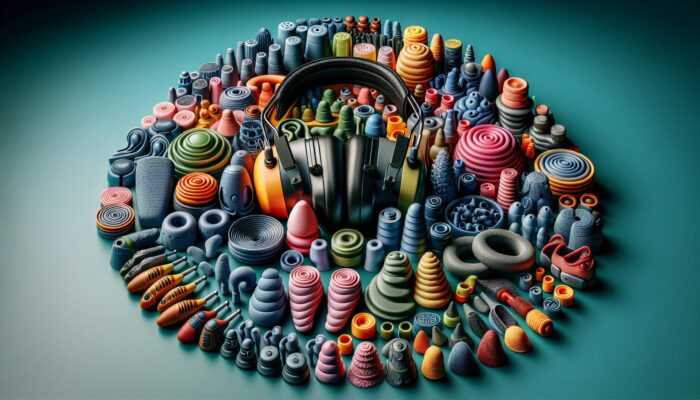
Categories
Health & Wellness Hearing Safety

Essential Tips for Protecting Your Ears From Loud Noises

Last Updated on 16/05/2025 by Admin

Comprehensive Guide to Noise-Induced Hearing Loss and Its Prevention

Defining Noise-Induced Hearing Loss and Its Impacts

Cross-section of inner ear with damaged hair cells, urban noise sources, people struggling to communicate.

noise-induced hearing loss is a critical public health issue that impacts millions of individuals around the globe. This condition occurs when exposure to excessively loud sounds damages the sensitive hair cells located in the inner ear, resulting in lasting hearing impairment. Once these hair cells are harmed, they do not regenerate, leading to irreversible hearing loss. The repercussions of this condition are extensive, affecting communication abilities, workplace productivity, and overall enjoyment of life. As urbanization accelerates globally, the levels of noise pollution continue to rise, highlighting the urgent need to understand the underlying causes and effective prevention methods for noise-induced hearing loss.

Around the world, individuals encounter harmful noise levels in diverse settings, including bustling cities, industrial factories, and lively concerts. Research indicates that prolonged exposure to sounds exceeding 85 decibels can result in serious auditory damage. The risk intensifies with extended exposure, as the cumulative effects can hasten hearing loss. Raising awareness about this issue is essential since many people may not be fully aware of the dangers posed by their everyday noise exposure. Whether it’s the din of city traffic or the booming bass at live music shows, recognizing that these sounds can lead to hearing loss is the crucial first step toward effective prevention.

Safeguarding your ears from loud noises is vital not just for maintaining your hearing but also for ensuring your overall health and well-being. A diminished quality of life can result when communication becomes difficult, potentially leading to social isolation, depression, and related mental health challenges. Therefore, it is crucial to address the risks associated with noise exposure and to promote strategies for hearing preservation across communities worldwide.

Identifying Dangerous Sound Levels for Hearing Health

Understanding what constitutes “too loud” is essential in combating noise-induced hearing loss. Sounds that exceed 85 decibels are generally considered hazardous, with the threat of hearing damage escalating as sound intensity rises and exposure duration increases. For example, a standard conversation typically registers around 60 decibels, whereas a rock concert can surpass 110 decibels. Prolonged exposure to such elevated sound levels can cause irreversible harm to the auditory system.

Grasping the concept of decibel levels empowers individuals to make informed decisions regarding their exposure to loud environments. For instance, sounds associated with chainsaws, lawnmowers, or heavy machinery often exceed 100 decibels, necessitating immediate use of hearing protection. Conversely, while recreational activities like attending concerts or sporting events can be enjoyable, they also carry significant risks for hearing health if adequate safety measures are ignored.

Global awareness campaigns have underscored the significance of understanding noise levels and their consequences for hearing health. Numerous countries have enacted regulations to protect workers in noisy environments, mandating the use of ear protection in industries such as construction, manufacturing, and entertainment. Emphasizing the importance of sound level measurement and recognizing when action is necessary can empower individuals to take proactive steps toward preserving their hearing.

Strategies for Preventing Irreversible Hearing Damage

Preventing irreversible hearing damage necessitates a comprehensive strategy that extends beyond merely avoiding loud sounds. Regular breaks from noisy environments can significantly diminish the likelihood of hearing loss. For example, if one finds themselves at a concert or in a loud factory, taking a brief respite can allow the ears to recuperate from the strain of high decibel levels. This practical approach is essential for everyone, from enthusiastic concert-goers to diligent factory workers.

Moreover, employing protective equipment such as <a href=”https://www.earwaxremoval.net/noise-pollution-and-its-universal-harm-to-hearing/”>Earplugs</a> or earmuffs is crucial in the prevention of hearing loss. These devices are specifically designed to mitigate the damaging effects of loud sounds on the auditory system. Custom-fitted ear protection can be especially effective, as it is molded to the unique contours of an individual’s ear, ensuring both comfort and sound attenuation.

Education plays an indispensable role in prevention efforts. Communities around the globe stand to benefit from initiatives aimed at raising awareness about Noise-induced hearing loss and the significance of protecting one’s ears from loud sounds. Educational opportunities in schools, workplaces, and public events can serve as platforms to inform individuals about the dangers of excessive noise exposure and the simple steps they can take to safeguard their hearing health.

Exploring Various Types of Ear Protection

Understanding the Benefits of Earplugs

Earplugs represent one of the most accessible forms of hearing protection available today. These compact devices are inserted into the ear canal to block out noise, effectively reducing sound exposure. Available in both disposable and reusable options, earplugs offer a versatile solution for a variety of environments and activities. Disposable earplugs, typically crafted from foam or wax, are convenient for one-time use, making them ideal for events such as concerts or festivals. Their affordability and ease of use render them a popular choice for individuals who may not require ear protection on a regular basis.

Conversely, reusable earplugs are designed for extended use and can be constructed from silicone or other durable materials. They are generally easier to clean and can provide a more personalized fit for the user. Custom earplugs, which are molded specifically to the wearer’s ear shape, offer the highest level of comfort and effectiveness. These are particularly beneficial for musicians, frequent concert attendees, or individuals working in noisy environments, as they provide consistent protection without compromising comfort.

Understanding the proper usage and fitting techniques for earplugs is vital to maximize their effectiveness. Incorrectly inserted earplugs may not adequately block sound, leaving users susceptible to harmful noise levels. The process of inserting earplugs should be executed carefully, ensuring a snug fit to create an effective seal. Regular cleaning and maintenance are also critical to prolonging their lifespan and effectiveness.

Exploring the Advantages of Earmuffs

Earmuffs are another widely-used option for protecting ears from loud noises. Covering the entire ear, these devices are particularly effective in industrial environments where noise levels are consistently elevated. Crafted from cushioned materials and often featuring noise-canceling technology, earmuffs provide substantial sound attenuation, making them indispensable for workers in construction, manufacturing, or other loud settings.

The primary advantage of earmuffs lies in their ability to deliver comfort while ensuring effective noise reduction. Unlike earplugs, which may cause discomfort during prolonged use, earmuffs can be worn for extended durations without irritation. Many models are designed to accommodate a wide range of head sizes and shapes, ensuring a secure and comfortable fit for all users.

Earmuffs come in various styles, including passive and electronic variations. Passive earmuffs deliver consistent noise reduction and are ideal for environments with constant noise. In contrast, electronic earmuffs can amplify softer sounds while still blocking out harmful noise levels. This feature is particularly advantageous for workers who need to communicate while protecting their hearing.

When selecting earmuffs, it’s important to consider factors such as the noise reduction rating (NRR), comfort, and specific industry requirements. Earmuffs not only serve as a practical choice but can also be stylish, available in a variety of designs to fit individual preferences.

Custom-Fitted Ear Protection: The Best Choice for Comfort

For optimal comfort and sound reduction, custom-fitted ear protection is highly recommended. These devices are specifically molded to an individual’s ear, ensuring a perfect fit that enhances their effectiveness in blocking harmful sounds. Custom earplugs and earmuffs are especially beneficial for musicians, industrial workers, and anyone consistently exposed to high noise levels.

The process of acquiring custom-fitted ear protection typically involves a professional fitting, where impressions of the ear are taken to create a personalized fit. This degree of customization not only boosts comfort but also increases the likelihood that users will consistently wear their ear protection. The importance of utilizing hearing protection cannot be overstated, particularly for those operating in environments where noise levels exceed safe thresholds.

Custom-fitted ear protection offers more than just comfort; it also enhances sound quality and clarity for specific activities. For musicians, custom earplugs can reduce sound levels without distorting the audio, allowing them to hear their performances more clearly while still preserving their hearing. This advantage is crucial for those working in the music industry, where exposure to loud sounds is an everyday reality.

While custom-fitted protection may require a higher initial investment than disposable options, the long-term benefits, including improved comfort and durability, make it a worthwhile investment. Additionally, many providers offer warranties or replacement options, ensuring that users can maintain optimal ear protection throughout their careers.

When to Use Hearing Protection Devices

Protecting Your Ears at Concerts and Live Music Events

Concerts and live events are often sources of joy and entertainment, but they can also pose significant risks to your auditory health. The decibel levels at these events can easily surpass safe limits, making ear protection essential for attendees. Whether it’s a rock concert, a music festival, or a theatrical performance, being proactive about hearing safety can prevent long-term damage to your hearing.

Attending live music events without proper ear protection can lead to immediate discomfort along with long-term hearing challenges. Even a single night of exposure to excessive sound levels can result in temporary threshold shifts—a short-term decrease in hearing sensitivity. Repeated exposure over time can culminate in permanent hearing loss, making it critical to adopt preventive measures.

High-fidelity earplugs have become popular among concert-goers as they reduce volume while preserving sound quality. These earplugs enable users to enjoy the music without jeopardizing their hearing. Encouraging concert venues to promote hearing safety by offering ear protection options or awareness campaigns can significantly enhance the overall well-being of attendees.

Venues worldwide are increasingly acknowledging the importance of hearing protection and integrating it into their safety protocols. From providing earplugs at the entrance to promoting awareness about noise levels, these initiatives can significantly reduce the risk of noise-induced hearing loss among concert-goers.

Ensuring Hearing Safety in Noisy Work Environments

Noise exposure in the workplace is a major concern for various industries, including construction, manufacturing, and transportation. Workers in these environments are often subjected to loud machinery and equipment that can lead to irreversible hearing damage. Implementing effective hearing protection strategies is paramount for safeguarding worker safety and health.

Employers bear the responsibility of providing their employees with appropriate hearing protection and training on its application. Regular assessments of noise levels can help identify areas where ear protection is necessary, and supplying earmuffs or earplugs should be standard practice in high-noise work settings. Moreover, fostering a culture that prioritizes hearing health can lead to enhanced compliance and awareness among employees.

Regular training sessions that educate workers about the risks associated with noise exposure and proper hearing protection techniques can empower them to take charge of their auditory health. Simple practices such as taking breaks in quieter areas or rotating tasks to minimize exposure can significantly reduce the risk of noise-induced hearing loss.

Additionally, workplaces can benefit from routine hearing screenings to monitor employees’ hearing health. Early detection of hearing loss can facilitate timely interventions and prevent further deterioration, ultimately creating a safer and more productive work environment.

Using Ear Protection During Recreational Activities

Many recreational activities expose participants to harmful noise levels, making the use of ear protection essential. Shooting sports, motorcycling, and even attending sports events can all present significant auditory risks. Understanding when to utilize ear protection during these activities can help safeguard your hearing for years to come.

Engaging in shooting sports is particularly loud, as gunfire can reach levels exceeding 140 decibels. Such intense noise exposure can lead to immediate hearing damage. Utilizing earmuffs or earplugs while shooting is crucial for protecting your ears and ensuring a safe experience. Many shooting ranges offer ear protection for visitors, but bringing your own can ensure a better fit and comfort.

Motorcycling also poses risks, as wind noise at high speeds can exceed 100 decibels, increasing the likelihood of hearing loss over time. Wearing a helmet equipped with built-in ear protection or using earplugs designed for motorcyclists can mitigate this risk while allowing riders to enjoy their journeys.

Attending sports events, such as football or soccer matches, can also expose fans to loud cheers, music, and announcements that may harm their hearing. Bringing earplugs to these events can enhance the experience while protecting your ears from potential damage. Raising awareness about hearing protection in recreational settings can help cultivate a culture that values auditory health.

Implementing Hearing Protection While Using Power Tools

Using power tools often generates noise levels that surpass safe limits, making hearing protection an essential consideration during these tasks. Tools such as chainsaws, drills, and grinders can produce sounds exceeding 100 decibels, presenting a significant risk for anyone involved in home improvement or construction projects.

When operating power tools, wearing earmuffs or earplugs is a non-negotiable safety measure. Selecting the appropriate ear protection can prevent hearing damage while allowing you to concentrate on the task at hand. It’s crucial to choose hearing protection with a suitable noise reduction rating (NRR) to ensure adequate sound attenuation for the specific tool being utilized.

Understanding the duration of exposure is equally important. Taking regular breaks from using power tools can significantly minimize hearing risks. Rotating tasks or scheduling quieter periods while working can considerably lower cumulative noise exposure, allowing your ears to recover.

Awareness campaigns aimed at DIY enthusiasts and professionals alike can effectively promote the importance of hearing protection when using power tools. Workshops or community classes that emphasize safety measures, including the proper use of power tools and the essential role of hearing protection, can heighten awareness and establish a culture of safety.

Prioritizing Ear Protection at Firearm Ranges

Firearm ranges are notorious for producing dangerously high noise levels, with the sound of gunfire reaching decibel levels capable of causing immediate and permanent hearing loss. Consequently, ear protection is not merely recommended; it is essential for anyone using firearms.

Understanding the nature of the noise generated by firearms is crucial. A single gunshot can exceed 140 decibels, and without proper ear protection, shooters risk suffering from noise-induced hearing loss after just one session at the range. To ensure maximum protection, utilizing both earmuffs and earplugs can create a dual-layer effect, significantly enhancing safety.

Many ranges now provide ear protection for visitors, but bringing personal ear protection ensures a better fit and comfort. Educating both new and experienced shooters about the necessity of ear protection can cultivate a safer shooting culture. Numerous communities host firearm safety programs that include the importance of hearing protection, emphasizing its critical role in the shooting experience.

In addition to preserving your hearing, appropriate ear protection can also enhance your overall shooting performance. Reducing unwanted noise enables shooters to concentrate better and improve their accuracy. Raising awareness about hearing safety at shooting ranges can help prevent avoidable hearing loss and ensure that enthusiasts can continue enjoying their sport for years to come.

Proper Techniques for Using and Maintaining Ear Protection

Mastering Correct Insertion Techniques for Earplugs

Proper insertion techniques for earplugs are essential for achieving maximum noise reduction and comfort. Incorrectly inserted earplugs can result in gaps that allow sound to enter, diminishing their protective effectiveness. To attain an optimal fit, adhere to specific guidelines based on the type of earplugs being utilized.

For foam earplugs, begin by rolling them into a tight cylinder. This action reduces their size, facilitating easier insertion into the ear canal. Once inserted, hold the earplug in place for a few seconds to allow it to expand and create a snug seal. It’s vital to ensure that the plug fits securely, as any gaps can permit harmful noise to bypass the protection.

Conversely, silicone or custom-fitted earplugs typically require a slightly different approach. These types should be gently pushed into the ear canal until they form a comfortable seal. Regularly practicing accurate insertion techniques can help minimize irritation and encourage consistent usage.

Education plays a pivotal role in teaching individuals the correct methods for earplug insertion. Many venues and workplaces can benefit from training sessions that demonstrate proper techniques and emphasize the significance of effective ear protection usage.

Ensuring Proper Cleaning and Storage of Ear Protection

Proper cleaning and storage of ear protection devices are critical for extending their lifespan and maintaining their effectiveness. Earplugs, particularly reusable ones, can accumulate debris, wax, and bacteria if not adequately maintained. Regular cleaning is vital to ensure that they provide optimal protection and comfort.

For foam earplugs, it is generally recommended to use them only once for hygiene reasons. However, reusable silicone earplugs can be washed with mild soap and warm water. Ensure they are thoroughly dried before storing them in a clean container to prevent contamination. Storing earplugs in a breathable, dry location can help maintain their shape and functionality.

Earmuffs require less frequent cleaning but should still be wiped down regularly with disinfectant wipes or a damp cloth. The foam cushions can attract dirt and moisture, potentially leading to bacteria build-up. Keeping earmuffs clean ensures comfort and helps prevent any irritative skin reactions while wearing them.

Proper storage of ear protection devices is equally essential. Avoid placing them in areas where they may be crushed or damaged, opting instead for designated storage bags or cases. This practice not only prolongs the lifespan of the devices but also ensures they are always readily available for use.

Knowing When to Replace Ear Protection Devices

Understanding when to replace ear protection devices is critical to ensuring their ongoing effectiveness. Regularly inspecting earplugs and earmuffs for signs of wear or damage is essential. Over time, earplugs can lose their elasticity and ability to create a proper seal, while earmuffs may suffer from fraying or deterioration of the padding.

Typically, disposable earplugs should be discarded after one use, but reusable earplugs should be replaced when they exhibit signs of wear, such as cracks or a loss of shape. If you notice that the earplugs no longer fit snugly or are uncomfortable, it’s time for a replacement.

Earmuffs should be replaced when the cushions become worn, cracked, or lose their ability to create a proper seal around the ears. Regularly checking the headband for flexibility and strength is also vital, as a damaged headband can lead to a poor fit and inadequate protection.

Establishing a routine for inspecting and replacing ear protection can help ensure that they continue to provide effective noise reduction. Many workplaces and organizations can benefit from implementing a regular maintenance schedule for hearing protection devices, fostering a culture of safety and awareness.

Conducting Regular Inspections of Ear Protection Devices

Regular checks for damage or degradation of ear protection devices are crucial to ensuring their continued effectiveness. Frequent inspections help identify potential issues before they compromise hearing protection. Establishing a routine for checking earplugs and earmuffs can significantly enhance the longevity and performance of these devices.

During inspections, look for any visible signs of wear, such as cracks, rips, or changes in texture. For earmuffs, ensure that the padding is intact and that the headband has not become weak or brittle. The effectiveness of ear protection relies on its ability to create a tight seal around the ear, so any damage should be addressed immediately.

Encouraging individuals to conduct regular inspections of their ear protection can foster a culture of accountability regarding hearing safety. Workplaces and organizations can facilitate this process by providing checklists or schedules to remind users to inspect their devices regularly.

Incorporating regular inspection practices into safety training can also ensure that users understand the importance of maintaining their hearing protection. When individuals are informed about how to care for and inspect their devices, they are more likely to prioritize their auditory health and well-being.

Advocating for Hearing Protection in Communities

Enhancing Community Awareness About Hearing Protection

Raising awareness about the significance of hearing protection in communities is crucial for preventing noise-induced hearing loss. Community programs can serve as effective platforms to educate individuals about the risks associated with loud noises and the straightforward measures they can implement to protect their hearing.

Organizing workshops, seminars, and public campaigns can help disseminate vital information regarding hearing health. Collaborating with local health organizations, educational institutions, and community centers can amplify these efforts and engage diverse audiences. Providing resources such as pamphlets and visual aids can facilitate understanding and retention of critical information.

Utilizing social media represents another effective avenue for spreading awareness. Engaging content, including videos and infographics, can reach a wider audience and stimulate discussions about hearing safety. Creating online challenges or campaigns that encourage individuals to share their experiences with noise exposure and protection can foster community involvement and raise awareness.

Schools can play a pivotal role in educating the younger generation about hearing protection. Integrating hearing health education into the curriculum can cultivate lifelong awareness and healthy habits. Simple actions, such as encouraging students to wear ear protection during music classes or loud events, can result in significant improvements in community hearing health.

Instilling Noise Safety Awareness in Children

Educating children about the dangers of loud noises and the importance of using ear protection is essential for fostering lifelong hearing health habits. Children often lack awareness of the potential risks associated with excessive noise exposure, making education a priority for parents and educators alike.

Incorporating noise safety education into school programs can effectively deliver this crucial message. Engaging activities, such as hands-on demonstrations or interactive games, can help children comprehend sound levels and the impact of noise on their hearing. Teaching them to recognize loud sounds and the necessity for protection can empower them to make informed decisions throughout their lives.

Parents can also play an active role in teaching their children about noise safety. Encouraging the use of ear protection during loud activities, such as concerts or fireworks displays, reinforces the importance of safeguarding their hearing. Providing children with fun, colorful earplugs or earmuffs can make the practice enjoyable and promote compliance.

Creating family-friendly events that emphasize noise safety can further enhance awareness in the community. Workshops or fun days at local parks can offer families valuable information about hearing health while providing hands-on experiences. By fostering a culture of safety and awareness, parents and communities can work collaboratively to protect future generations from noise-induced hearing loss.

Promoting Hearing Protection Through Workplace Safety Programs

Workplaces should implement safety programs that educate employees about the use of hearing protection devices. Such programs can play a vital role in fostering a culture of safety and awareness concerning noise-induced hearing loss. Regular training sessions and workshops can equip employees with vital knowledge and skills needed to protect their hearing effectively.

Safety programs should include information on the risks associated with noise exposure, the significance of using ear protection, and proper insertion techniques. Providing hands-on demonstrations can enhance learning and ensure that employees understand how to utilize their hearing protection correctly.

Incorporating regular hearing health assessments into workplace safety programs can also encourage compliance and awareness. By offering free hearing tests, employers can assist employees in monitoring their hearing health and identifying potential issues early. This proactive approach demonstrates a commitment to employee well-being and fosters a safer work environment.

Establishing a feedback loop within workplace safety programs can further enhance their effectiveness. Encouraging employees to share their experiences with noise exposure and protection can facilitate open discussions and promote a culture of accountability regarding auditory health.

Advocating for Hearing Protection in Recreational Activities

Encouraging the use of hearing protection during recreational activities can significantly contribute to preventing noise-induced hearing loss. Many leisure pursuits, such as shooting, attending concerts, and motorcycling, expose participants to hazardous noise levels, making awareness and protection essential.

Promoting hearing safety within recreational communities can involve distributing educational materials at relevant events. Workshops focusing on the importance of hearing protection and demonstrating proper use can engage participants and foster a culture of safety.

Collaboration with local businesses, such as shooting ranges or concert venues, can enhance awareness efforts. Providing complimentary ear protection at these events can motivate attendees to prioritize their auditory health while enjoying activities they love.

Social media platforms can serve as effective tools for promoting hearing protection in recreational activities. Engaging content, such as testimonials and informative posts, can reach a broad audience and encourage individuals to share their experiences. By fostering a community focused on hearing health, we can collectively work toward preventing noise-induced hearing loss.

Monitoring Your Hearing Health: Key Strategies

Conducting Regular Hearing Tests for Early Detection

Regular hearing tests are crucial for identifying early signs of hearing loss. Healthcare professionals recommend that individuals, especially those frequently exposed to loud environments, undergo hearing assessments at least once every one to two years. These tests can help detect any changes in hearing ability and facilitate timely interventions if necessary.

For individuals working in noisy settings or engaging in activities that expose them to loud sounds, scheduling regular hearing tests becomes even more critical. Early identification of hearing changes can prevent further deterioration and offer opportunities to address the issue before it escalates into a significant problem.

Advancements in technology have enhanced the accessibility and efficiency of hearing tests. Many audiologists now provide mobile services, enabling individuals to receive assessments without extensive travel requirements. Additionally, online hearing tests can offer preliminary assessments and direct individuals to appropriate care if needed.

Awareness campaigns emphasizing the importance of regular hearing tests can promote better hearing health throughout communities. Collaborating with local health organizations can facilitate free or low-cost testing events, encouraging individuals to prioritize their auditory health.

Identifying Symptoms of Hearing Damage for Timely Action

Recognizing the symptoms of hearing damage is vital for timely intervention. Symptoms can vary widely among individuals but commonly include ringing in the ears (tinnitus), difficulty comprehending speech, and the need to increase the volume on devices. Individuals experiencing any of these symptoms should seek professional evaluation promptly.

Tinnitus, characterized by a persistent ringing or buzzing sensation in the ears, can be one of the initial indicators of hearing damage. While it can also result from other factors, persistent tinnitus should be taken seriously, as it may signal underlying auditory issues.

Difficulty understanding conversations, especially in noisy settings, can also point to hearing loss. Individuals may find themselves straining to catch words or frequently asking others to repeat themselves. Acknowledging this symptom and seeking professional assistance early can lead to timely intervention and improved management of hearing health.

Promoting awareness about these symptoms within communities can empower individuals to take control of their auditory health. Educational programs emphasizing the importance of recognizing these signs can help prevent further deterioration and encourage proactive measures.

Seeking Professional Help for Hearing Concerns

Consulting an audiologist or hearing specialist is essential if you suspect hearing loss. These professionals are equipped to conduct comprehensive evaluations and recommend suitable interventions. Whether it involves hearing aids, therapies, or lifestyle adjustments, early professional guidance can lead to better outcomes.

Individuals should not hesitate to seek help, as early intervention can significantly enhance quality of life and create opportunities for effective hearing management. Many audiologists also provide education regarding the importance of hearing protection, empowering patients to make informed choices about their auditory health.

Regular follow-ups with hearing specialists are crucial for monitoring any changes in hearing ability. These appointments allow for adjustments to any recommended interventions and provide ongoing education about maintaining hearing health.

Cultivating a culture that prioritizes professional help for hearing issues can lead to improved awareness and early detection of hearing loss. Communities can benefit from programs that promote the importance of consulting specialists and the resources available for those experiencing hearing challenges.

Frequently Asked Questions about Hearing Protection

What causes noise-induced hearing loss?

Noise-induced hearing loss occurs due to exposure to loud sounds that damage the hair cells in the inner ear, resulting in permanent hearing impairment.

How loud is too loud for my ears?

Sounds exceeding 85 decibels are deemed dangerous, with risks escalating at higher volumes and prolonged exposure times.

What are the best types of ear protection?

The most effective types of ear protection include earplugs, earmuffs, and custom-fitted devices, each offering different levels of comfort and noise reduction.

When should I utilize ear protection?

You should use ear protection during concerts, in noisy work environments, during recreational activities involving loud sounds, and when using power tools or firearms.

How do I correctly use earplugs?

Correct usage of earplugs involves rolling them into a tight cylinder, inserting them into the ear canal, and ensuring a snug fit to block out sound effectively.

How often should I replace my ear protection devices?

Dispose of earplugs after one use, and inspect reusable earplugs or earmuffs regularly for signs of wear, replacing them as needed.

How can I educate others about hearing protection?

You can educate others by organizing community programs, sharing information on social media, and promoting the importance of using ear protection during loud activities.

What are the signs of hearing damage?

Common signs of hearing damage include tinnitus (ringing in the ears), difficulty understanding speech, and needing to increase the volume on devices.

Why are regular hearing tests important?

Regular hearing tests are essential for detecting early signs of hearing loss, allowing for timely intervention and improved management of hearing health.

How can I promote hearing protection in recreational activities?

Promote hearing protection by distributing educational materials, hosting workshops, and collaborating with local businesses to offer ear protection at events.

Discover more on X!

The post Essential Tips for Protecting Your Ears From Loud Noises appeared first on The Microsuction Ear Wax Removal Network.

The post Essential Tips for Protecting Your Ears From Loud Noises appeared first on Healthcare Marketing Service.
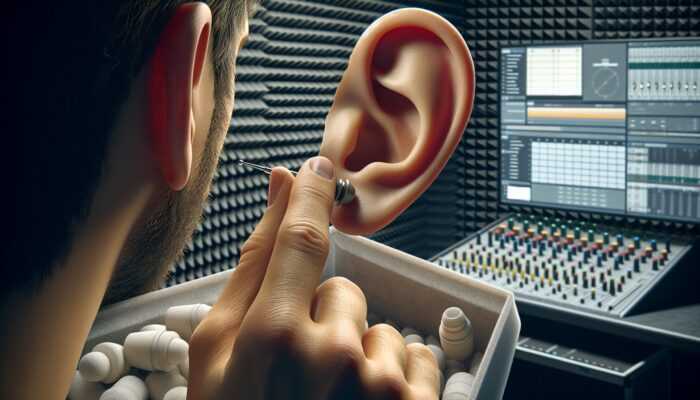
Exit mobile version